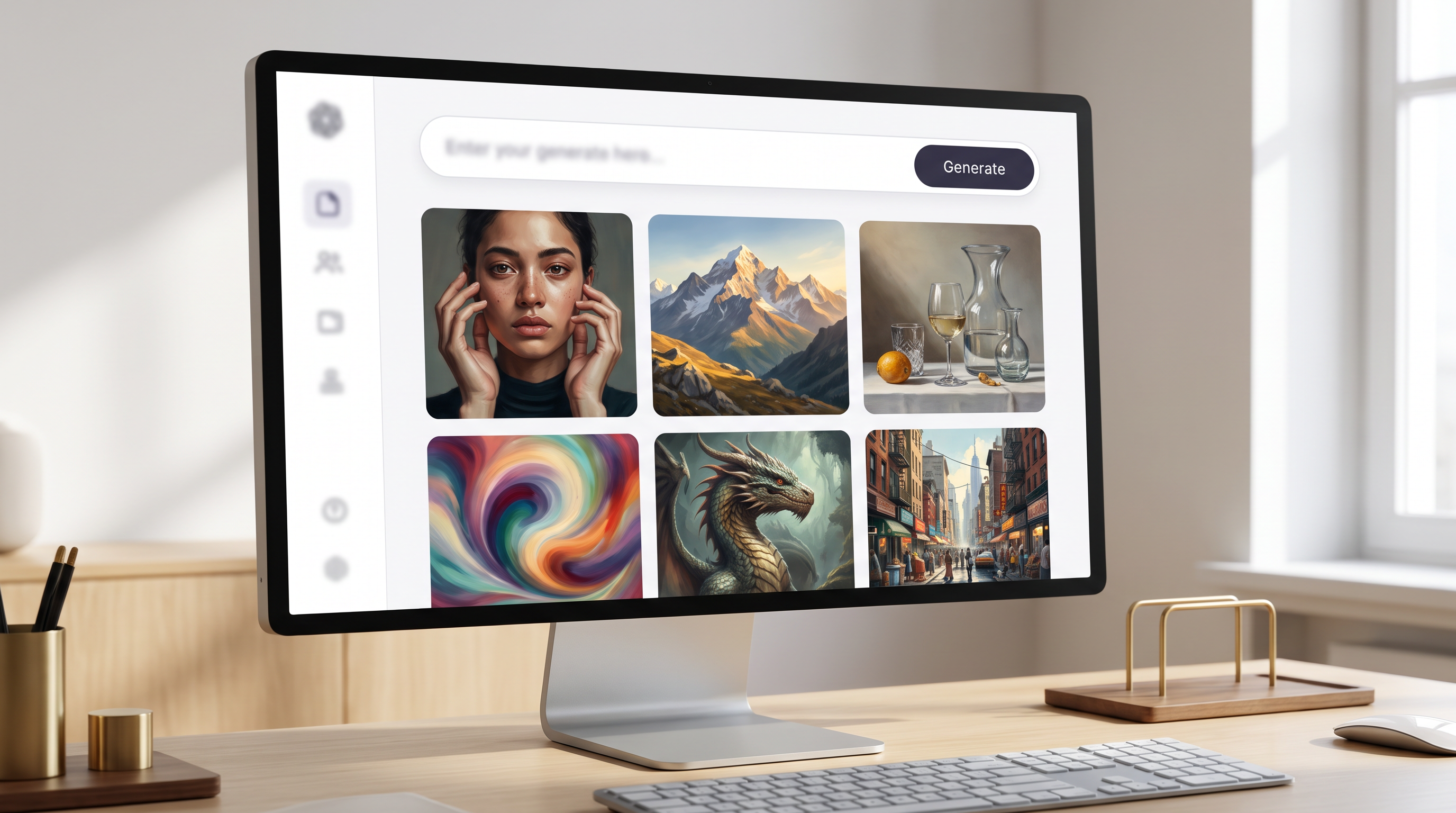
You spend an afternoon refining a prompt, generating dozens of variations, and finally land on an image that feels exactly right. Then a friend asks: "Can you actually copyright that?" You pause, because you genuinely don't know — and neither, it turns out, do a lot of people currently selling AI-generated work online. The same question comes up just as often with AI-generated video and motion content, not just still images — the legal analysis runs on the same core logic either way.
That uncertainty is the center of every AI art copyright conversation right now. The short answer is: it depends on how much of the final image reflects human creative choices, not just a text prompt. The U.S. Copyright Office has drawn a clear line — works generated entirely by a machine, with no meaningful human authorship, don't qualify for protection. Everything past that line is a gray zone that courts and regulators are still mapping out.
The Legal Baseline: Why Human Authorship Still Matters
U.S. copyright law has never protected output that lacks a human author — that rule predates AI entirely (it's the same reason a monkey's selfie couldn't be copyrighted in the 2011 Naruto case). In March 2023, the U.S. Copyright Office formalized this into an official policy statement titled "Copyright Registration Guidance: Works Containing AI-Generated Material," confirming that purely AI-generated content is not eligible for registration.
Think of it like a vending machine versus a chef. If you press a button and a machine dispenses a snack, you don't get credit for "creating" the snack — you just made a selection. But if you take raw ingredients and shape them into a dish through your own decisions, courts recognize that as authorship. Typing a prompt is closer to pressing the button; arranging, editing, and combining AI output with your own creative input moves you closer to being the chef.
This distinction played out publicly in Thaler v. Perlmutter. Stephen Thaler sought copyright registration for an image titled "A Recent Entrance to Paradise," generated entirely by his AI system with no human editing. The Copyright Office denied it, and in August 2023 a U.S. federal district court upheld that denial, ruling that human authorship is a prerequisite for copyright protection.
Ownership in Practice: Prompt Author, Platform, or No One?
Here's where AI art copyright questions get practical. Say you generate an illustration for a client using an AI image tool, edit it in Photoshop, and combine it with hand-drawn elements. Who owns it?
In February 2023, the Copyright Office reviewed the graphic novel Zarya of the Dawn by Kris Kashtanova. It partially revoked the original registration: the individual AI-generated images inside the comic weren't protectable on their own, but Kashtanova's own selection, arrangement, and editing of those images into a cohesive narrative was protectable as a compilation. That's the clearest real-world precedent for how mixed human-AI works get treated — the human contribution is what earns protection, not the AI-generated pixels themselves.
Most AI image generator platforms also have their own terms of service governing usage rights, separate from copyright law entirely. A tool might grant you a broad commercial license to whatever you generate, even if that output isn't independently copyrightable — which matters for anyone using an AI image generator for client work and needing to know exactly what usage rights they're getting, contract aside from copyright status. The same layered structure applies to an AI video generator: the clip's copyright status and the platform's commercial-use terms are two separate questions you have to check independently.
How Other Countries Handle AI Art Copyright
The U.S. approach isn't universal, and this is where AI art copyright debates get genuinely confusing for creators working across borders.
| Jurisdiction | Human authorship required? | Notable position |
|---|---|---|
| United States | Yes | Purely AI-generated works are ineligible; human-edited/arranged works may qualify for the human-contributed portions (U.S. Copyright Office, March 2023) |
| United Kingdom | No, for "computer-generated works" | Copyright, Designs and Patents Act 1988, Section 9(3) grants authorship to "the person by whom the arrangements necessary for the creation of the work are undertaken," with a shorter 50-year term |
| China | Case-by-case | Beijing Internet Court ruled in November 2023 (Li v. Liu) that an AI-generated image reflecting a user's deliberate prompt engineering and parameter choices could be protected, since it showed the user's personalized creative input |
| European Union | Yes, in principle | EU copyright framework generally requires an "author's own intellectual creation"; AI-only output likely falls short, though case law is still developing |
The takeaway: if you're publishing or licensing AI-assisted art internationally, don't assume U.S. rules travel with you. A piece that's public domain in the U.S. could carry different status elsewhere.
What Creators Can Actually Do to Protect Their Work
None of this means AI-assisted creators are without options. A few practical steps show up consistently in how professionals are handling AI art copyright risk today:
- Document your creative process. Save your prompt iterations, editing history, and any manual work layered on top of AI output. If you ever need to demonstrate human authorship, a paper trail of decisions matters more than the final image alone.
- Combine AI output with substantial human editing. Compositing, hand-painting over generated elements, or significantly retouching output strengthens the case that the final piece reflects your creative choices, not just the model's.
- Read the platform's terms of service before assuming ownership. Copyright eligibility and platform usage rights are two separate questions — a tool's terms might grant you commercial usage rights to output that still isn't independently copyrightable.
- Register compilations, not just single images, when relevant. If your project involves arranging multiple AI-generated elements into a larger work (a comic, a layout, a series), the arrangement itself may be protectable even when individual elements aren't.
- Keep an eye on jurisdiction if you sell internationally. A commercial license that's clean in the U.S. might need a second look if you're distributing in the UK, EU, or China.
- For AI-generated video, check music, voice, and likeness rights separately. Video output often layers synthetic voice or licensed music on top of visuals, and those elements carry their own rights questions beyond the video's own copyright status.
Where Framia Pro Fits Into This
Framia Pro tracks how AI creative tools evolve — including the licensing terms, commercial-use policies, and output rights that come bundled with different AI image and video generators, which is a big part of what determines what you can actually do with AI art once you've made it. When you're comparing tools, checking usage rights alongside output quality is part of making an informed choice, not an afterthought.
If you're actively producing work with an AI tool, the platform's specific terms on commercial licensing matter just as much as the copyright status of the output itself — they're the two halves of "can I actually use and sell this."
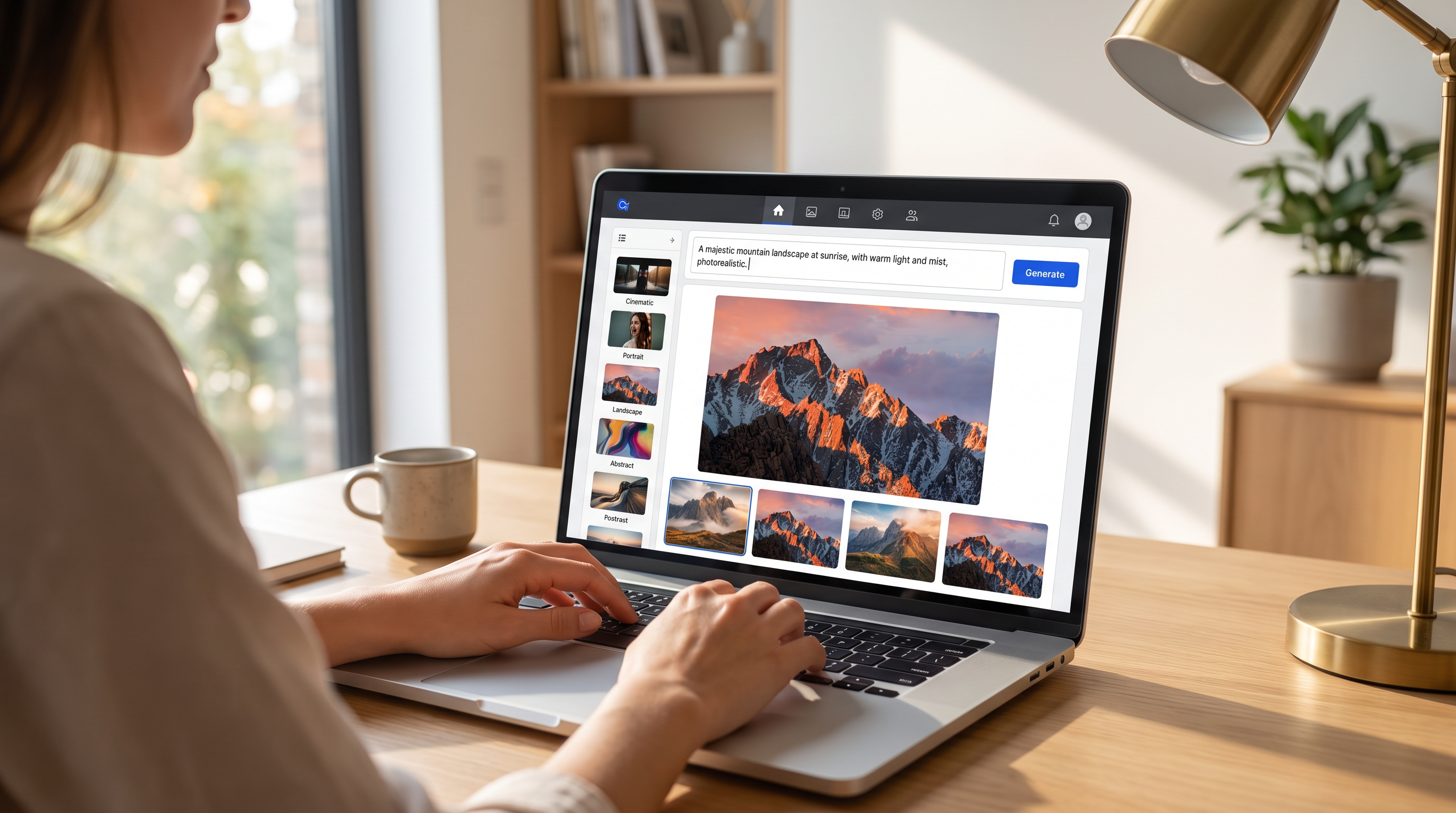
The rules around AI art copyright are still being written in real time, one court case and policy statement at a time. Until they settle, the safest approach is documenting your creative process and understanding exactly what a tool's terms grant you.
FAQ
Can you copyright AI art at all?
Only the parts that reflect meaningful human creative input. Purely AI-generated images with no human editing or arrangement are not eligible for U.S. copyright registration, per the Copyright Office's March 2023 guidance.
Who owns AI-generated art if no one can copyright it?
If a work fails the human authorship requirement, it generally falls into the public domain — no one holds exclusive rights, and anyone can technically use it. This is different from platform terms of service, which may still restrict how you can use or redistribute output regardless of copyright status.
Does editing an AI image make it copyrightable?
It can. The Zarya of the Dawn case showed that substantial human selection, arrangement, and editing of AI-generated elements can be protectable as a compilation, even when the underlying AI-generated images are not.
Is AI art copyright law the same in every country?
No. The UK protects some AI-generated work without requiring a human author, while the U.S. and EU generally require human authorship. China has taken a case-by-case approach based on how much personalized human input went into the prompting process.
Do I need a lawyer to know if my AI art is protected?
For anything commercially significant — client work, licensing deals, large-scale merchandise — yes, a qualified IP attorney should review your specific situation. This article explains the general legal landscape, not case-specific legal advice.
Does AI art copyright cover AI-generated video too?
The same human-authorship principle applies: video generated entirely by an AI system with no meaningful human editing generally isn't eligible for copyright registration, following the same logic as still images. Video adds extra layers — licensed music, synthetic voice, or likeness rights can carry separate legal questions beyond the copyright status of the visual footage itself.