You generate a piece of AI art, post it online, and within a week someone in the comments says "that's stolen." Is it? A wave of real courtroom battles is trying to answer exactly that question, and the outcomes are starting to reshape how creators, brands, and platforms think about ai art copyright. If you use tools like Midjourney or Stable Diffusion for anything commercial, understanding these cases isn't optional background reading anymore — it's risk management.
The Lawsuits Everyone Is Watching
Three cases anchor almost every conversation about ai art copyright infringement risk right now.
Andersen v. Stability AI, Midjourney, and DeviantArt. Filed in January 2023 by artists Sarah Andersen, Kelly McKernan, and Karla Ortiz, this is the flagship class action behind the midjourney lawsuit headlines. The artists argue that Stable Diffusion (and by extension Midjourney, which licenses similar diffusion technology) was trained on billions of scraped images — theirs included — without consent, credit, or compensation. Judge William Orrick initially dismissed most claims in October 2023 for lack of specificity, but in August 2024 he allowed the core direct copyright infringement claim to proceed into discovery. Karla Ortiz called it a "huge update" for artists, and it remains the case most people mean when they search for a lawsuit against midjourney or a class action lawsuit midjourney.
Getty Images v. Stability AI (UK). Getty sued Stability AI in the UK claiming Stable Diffusion was trained on millions of its licensed photos. In late 2025, the England and Wales High Court rejected Getty's central copyright infringement claim — largely because the actual model training happened outside UK jurisdiction — but found Stability AI liable on a narrower trademark infringement claim, since some outputs reproduced Getty's watermark. It was a mixed verdict that neither side fully celebrated.
Getty Images v. Stability AI (US). A parallel, still-active US case (refiled in the Northern District of California after an earlier Delaware filing was dismissed without prejudice) is proceeding on trademark and related claims, with courts finding Getty adequately pled its case. This one is worth watching into 2026 for how it treats the copyright question that the UK court sidestepped.
Together, these cases explain most of the search volume around midjourney copyright, stable diffusion lawsuit, and ai art copyright infringement — they are the closest thing the industry has to real legal precedent.
The Core Legal Argument: Training Data vs. Fair Use
Every one of these lawsuits circles back to the same unresolved tension in ai art copyright law.
Plaintiffs' position: Training a model on copyrighted images without a license is itself an act of reproduction, and outputs that echo an artist's identifiable style or composition compound the harm. Under this view, midjourney and copyright law are fundamentally at odds unless licensing changes.
AI companies' position: Training is transformative use — the model doesn't store or retrieve specific images, it learns statistical patterns, similar to how a human artist studies influences. They argue this falls under fair use (or, in the UK case, outside the jurisdiction's copyright framework entirely, since training occurred on foreign servers).
No US court has yet issued a final, binding ruling squarely deciding whether large-scale AI training on copyrighted images is fair use. That's exactly why these cases matter — whichever way Andersen v. Stability AI ultimately resolves will set the tone for midjourney ai copyright, midjourney art copyright, and copyright midjourney claims for years.

Where Things Stand Heading Into 2026
The trend line is clear even without a final verdict:
- Discovery is exposing real evidence. Courts allowing claims to proceed means internal training data logs, licensing communications, and model documentation are becoming discoverable — information that could shape settlements even before trial.
- Trademark claims are succeeding faster than copyright claims. The UK Getty ruling shows courts are more comfortable ruling on narrower trademark reproduction (a logo appearing in an output) than on the harder question of whether training itself infringes.
- Jurisdiction matters enormously. Where training servers sit, where a company is headquartered, and where the lawsuit is filed all affect what a court will even consider — expect more forum-shopping in future ai art lawsuit filings.
- Licensing deals are quietly increasing. Several AI companies have signed content-licensing agreements with stock libraries and publishers, partly to get ahead of litigation risk — a sign that the industry expects courts or legislators to eventually require it.
What This Means for Creators and Brands
If you're publishing, licensing, or selling AI-generated work, these lawsuits translate into three practical risk categories:
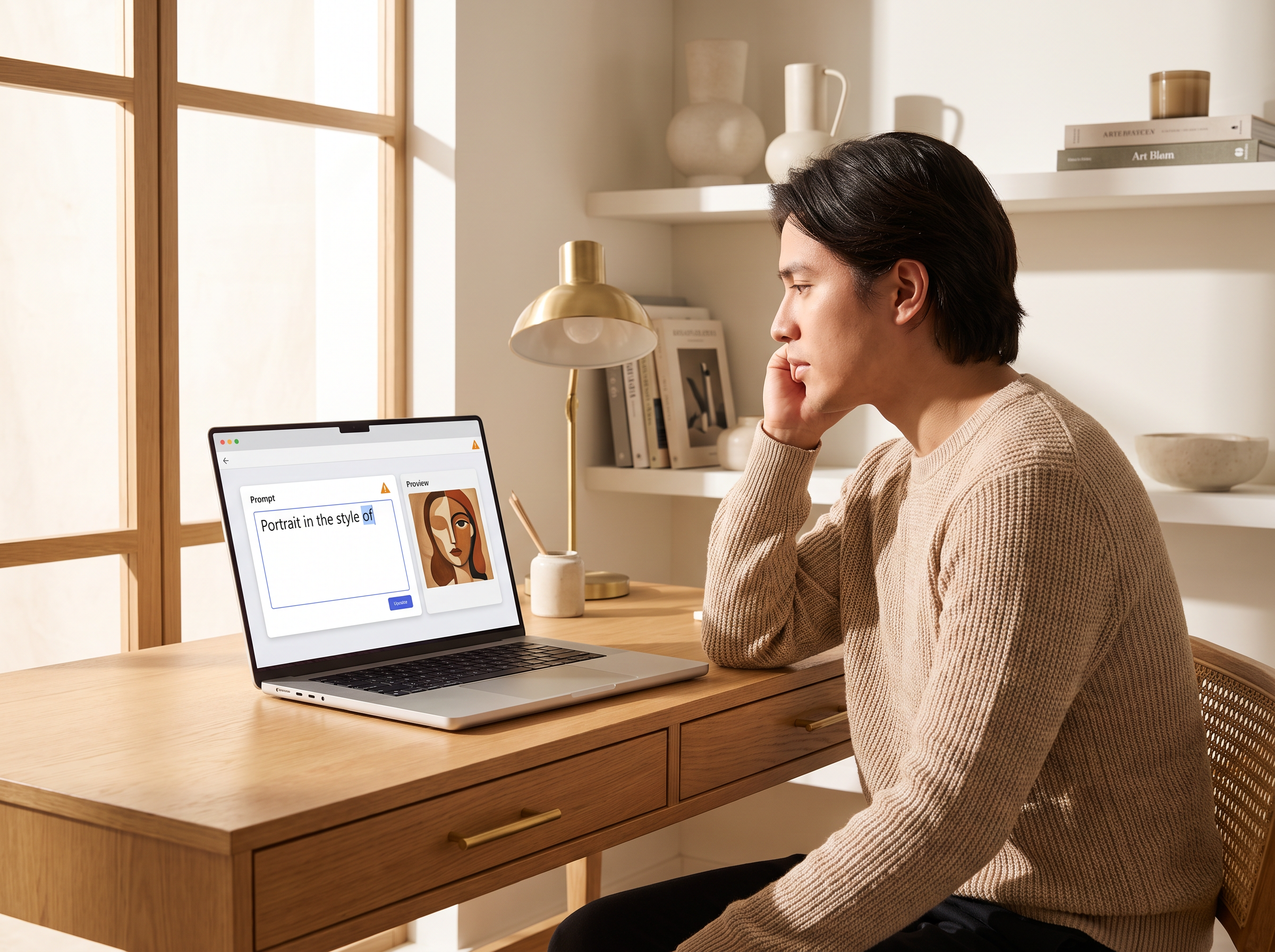
- Style-mimicry risk. Prompts that explicitly invoke a living artist's name or signature style raise the same concerns at the heart of the Andersen case — even if a court hasn't ruled against you specifically, a platform or client might still reject the work.
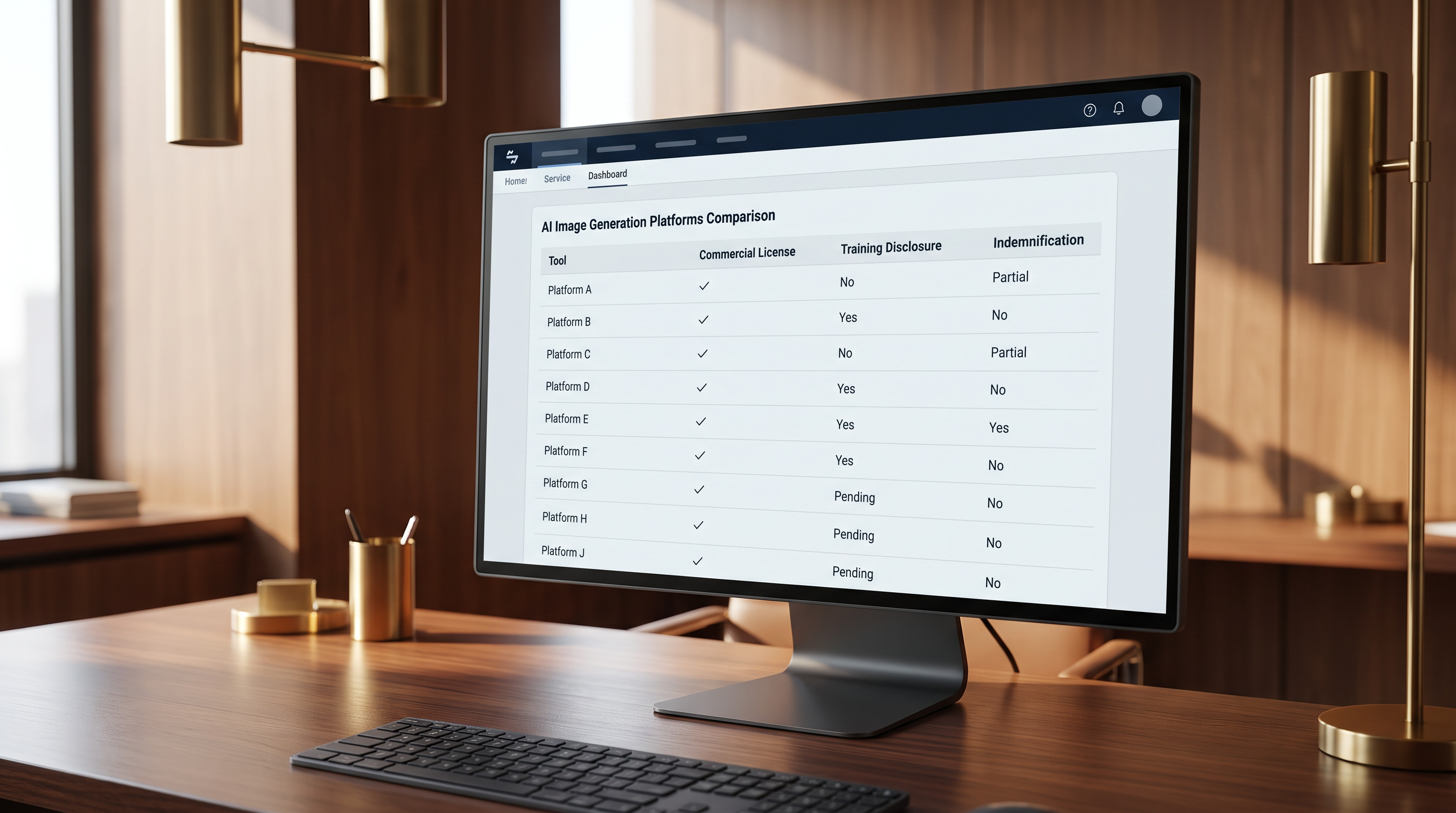
- Training-data uncertainty. Since no case has fully resolved whether training itself was lawful, output from any model trained on unlicensed data carries some residual legal ambiguity, even where the output itself looks nothing like a protected work. Comparing tools through a directory like AI image generators is a fast way to see which ones publish clearer training and licensing information before you commit.
- Trademark leakage. The Getty UK ruling is a reminder that outputs can accidentally reproduce logos, watermarks, or trademarked visual elements picked up during training — a separate and sometimes easier claim for a rights holder to win than a full copyright case.
| Risk Factor | Legal Basis Being Tested | Practical Exposure Today |
|---|---|---|
| Copying an artist's identifiable style | Direct infringement (Andersen v. Stability AI) | Reputational and platform takedown risk; litigation still pending |
| Training on unlicensed images | Fair use vs. reproduction (unresolved) | Legal ambiguity persists industry-wide |
| Trademarks appearing in outputs | Trademark infringement (Getty v. Stability AI, UK) | Real, established liability — avoid brand-heavy prompts |
| Reselling AI art commercially | Ownership and originality (see US Copyright Office guidance) | Registration and licensing terms vary by tool |
Reducing Your Exposure
You can't control how a lawsuit resolves, but you can control how you generate and use AI art in the meantime:
- Avoid artist-name prompting. Skip prompts like "in the style of [living artist]" — it's the exact pattern at issue in the biggest pending cases.
- Check each platform's training and licensing disclosures. Some AI image generators are more transparent about licensed training data than others, which meaningfully lowers your ambiguity.
- Screen outputs for logos and watermarks before commercial use, especially for anything meant for paid clients or merchandise.
- Keep your generation records. Save prompts, dates, and platform terms of service — if a copyright question ever comes up, that documentation supports your good-faith use.
- Review licensing terms before selling. Platform terms of service determine what commercial rights you actually hold; don't assume "you generated it" equals "you can sell it without restriction."
This is where a platform's tool transparency becomes genuinely useful rather than a footnote. Browsing Framia Pro's directory of AI image generators makes it easier to compare which tools disclose training sources, offer commercial licenses, or provide indemnification — details that matter far more today than they did before these lawsuits started making headlines. If you're building a workflow around AI art commercially, checking that documentation before you commit to a tool is a lot cheaper than untangling a dispute later.
FAQ
Is Midjourney currently being sued? Yes. Midjourney is a co-defendant in Andersen v. Stability AI alongside Stability AI and DeviantArt, and the direct copyright infringement claims against it are in active discovery as of 2025.
Did Getty Images win its lawsuit against Stability AI? Partially. The UK High Court rejected Getty's core copyright infringement claim in 2025 but found Stability AI liable for trademark infringement on a narrower basis. A related US case is still ongoing.
Has any court ruled that AI training is fair use? Not conclusively for image models. Courts have allowed claims to proceed to discovery rather than issuing a final ruling on whether training itself qualifies as fair use — that question remains open.
Can I still get sued for using AI art commercially? It's unlikely you'd be sued directly as an individual user, but downstream risk exists if your output closely mimics a protected work or reproduces a trademark. Using tools with transparent licensing lowers that exposure.
Will these lawsuits change how AI image generators work? Likely yes. Expect more platforms to add licensing disclosures, opt-out training options, and indemnification clauses for commercial users as litigation and regulation continue to develop through 2026.