The internet rewards novelty and emotion in roughly equal measure — and an AI kiss video for social media hits both at once. It's new enough to stop the scroll, personal enough to trigger a reaction, and shareable enough to move through friend groups and comment sections like a warm rumor. Content creators who figured this out early are seeing engagement numbers that traditional video formats rarely generate.
This guide breaks down how creators are actually using AI kiss videos — the formats that work, the platforms where they land hardest, and the production strategies that make the difference between a post that gets a few hundred views and one that runs.
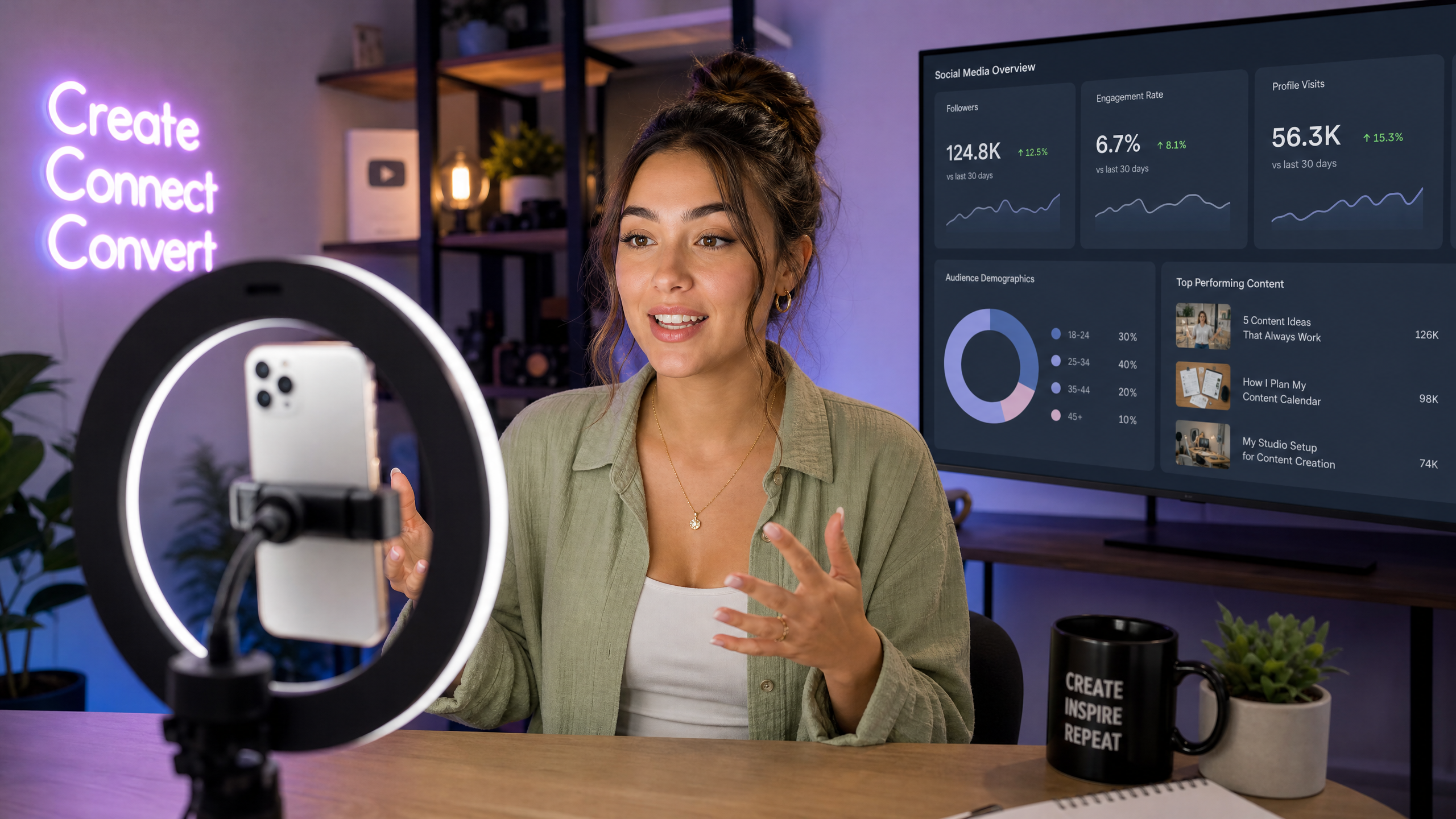
Why AI Kiss Videos Perform So Well on Social Media
Engagement on social media follows a simple psychological logic: people interact with content that makes them feel something, and then share it with others who they think will feel the same thing. An AI kiss video for social media hits three emotional registers simultaneously — surprise (the technology is still novel for most audiences), delight (the romantic format is inherently pleasurable), and personalization (the faces make it feel specific and real).
Think of it like the difference between a mass-produced greeting card and a handmade one left on someone's desk. Both convey a message, but the handmade one creates a story people want to tell. AI kiss videos are handmade at scale: they feel personal even when the production process is automated.
Platforms that reward shares and saves — TikTok, Instagram Reels, YouTube Shorts — are the primary distribution channels. The AI kiss video format is natively short (3–15 seconds), which fits the format constraints of short-form video perfectly. That length is long enough to deliver a complete emotional beat, short enough to watch twice before the next video begins.
The Formats That Are Actually Going Viral
Not all AI kiss video content is equal. Certain formats consistently outperform others, and understanding the pattern helps creators replicate it intentionally.
The reveal format is the most reliable performer. The video starts with two static portrait photos side by side — recognizable people, maybe the creator and a partner, a celebrity pair, or a famous fictional couple. The AI generates the kiss clip, and the video cuts to it. The reveal structure gives viewers a before-and-after arc that's inherently satisfying to watch and easy to share.
The tutorial format layers the process on top of the output. Creators walk through how they used a tool like Framia Pro's AI Kiss Video Generator to produce the clip — capturing the upload step, the style selection, the generation countdown — then show the finished result. This format generates both engagement and saves, because viewers who want to try it themselves bookmark it.
The reaction format uses other people as the emotional hook. The creator sends an AI kiss video to a friend, family member, or significant other and films their reaction. The genuine surprise response does the emotional work that would otherwise require expensive production.
The celebrity or fictional pair format requires careful judgment around consent and copyright, but when handled appropriately — clearly labeled as AI-generated, using publicly available images — it taps into existing fan communities and generates massive reach.

Platform-Specific Strategy for AI Kiss Video Content
Each platform has different algorithmic preferences and audience expectations. Here's how creators are adapting the format:
TikTok rewards hooks in the first second and completion rate. AI kiss videos work best here when the hook is the two input photos — viewers need to recognize who's in the video before the reveal pays off. Add text overlay identifying the subjects in frame one.
Instagram Reels favors saves and shares over raw views. Tutorial-style content performs particularly well because users save posts they plan to return to. Pair the video with a caption that explains the tool and process; captions on Reels actually get read more than most creators expect.
YouTube Shorts has a longer content window and a more patient audience. Creators can afford to add more context — an intro that explains why they made the video, a demonstration of multiple styles, a comparison of different output qualities. The AI video-to-video feature from Framia Pro can be used to restyle a kiss video clip in multiple aesthetic directions, giving YouTube Shorts creators material for a longer comparative format.
Pinterest is an underrated distribution channel for this content. AI kiss video tutorials perform well in Pinterest's discovery feed because the platform indexes static thumbnail images alongside video content. A high-quality thumbnail of the finished output drives significant referral traffic.
Production Workflow for Consistent Output
Going viral once is luck. Building a content strategy around AI kiss videos requires a repeatable production workflow that minimizes friction between idea and post.
Most successful creators in this space follow a three-step rhythm:
Source materials batch. Collect a pool of photo pairs — their own photos in different settings, celebrity pairings from public domain sources, fan-requested combinations. Having materials ready means creation can happen in minutes rather than getting delayed by sourcing.
Generate in parallel. Tools like Framia Pro allow multiple generations to run simultaneously. A creator can queue four or five kiss video variations in the time it takes to write a caption. Use the slow-motion video tool to extend the emotional impact of a particularly strong clip.
Post with consistent framing. The caption structure matters as much as the content. High-performing AI kiss video posts typically include: an explanation of the AI tool used, a reaction hook ("I sent this to my girlfriend and..."), and a question to drive comments ("Which style should I try next?").
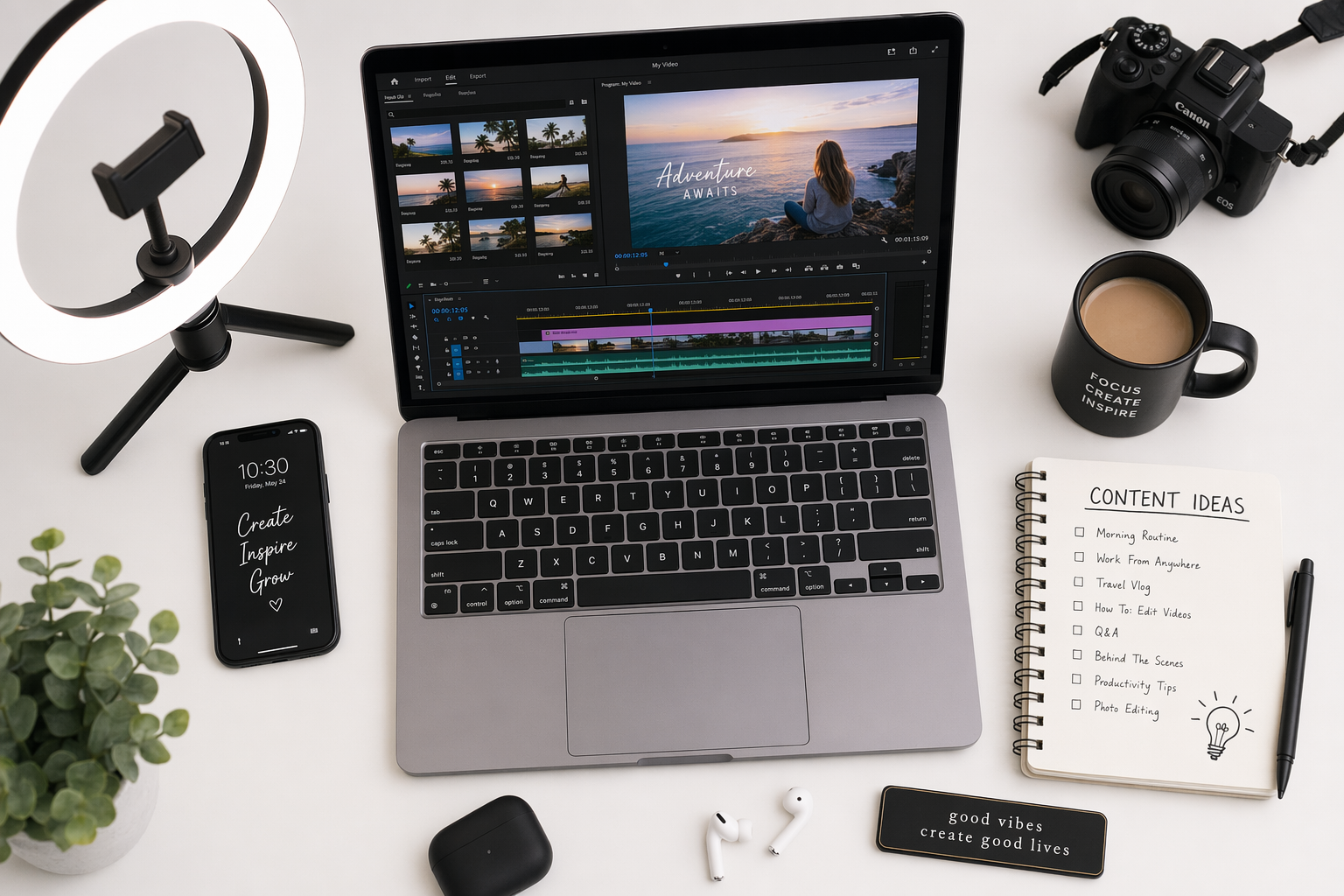
Building a Following Around AI Kiss Video Content
The creators who build audiences — rather than just viral moments — treat AI kiss videos as one pillar in a broader creative identity. The technology provides novelty and production efficiency; the personality provides the consistent hook that keeps viewers coming back.
A few patterns from creators who've sustained growth in this space:
Series content outperforms one-offs. "I made an AI kiss video for every type of couple" or "30-day AI kiss video challenge" give viewers a reason to follow rather than just watch once.
Community participation scales the content. Creators who invite their audience to submit photo pairs for AI kiss video generation create a feedback loop — the audience is emotionally invested in the output before it's even posted.
Behind-the-scenes content about the generation process performs surprisingly well. Audiences are curious about how the technology works. A creator who explains the face-mapping process, the style options, and the limitations of AI kiss video tools positions themselves as an expert rather than just a user.
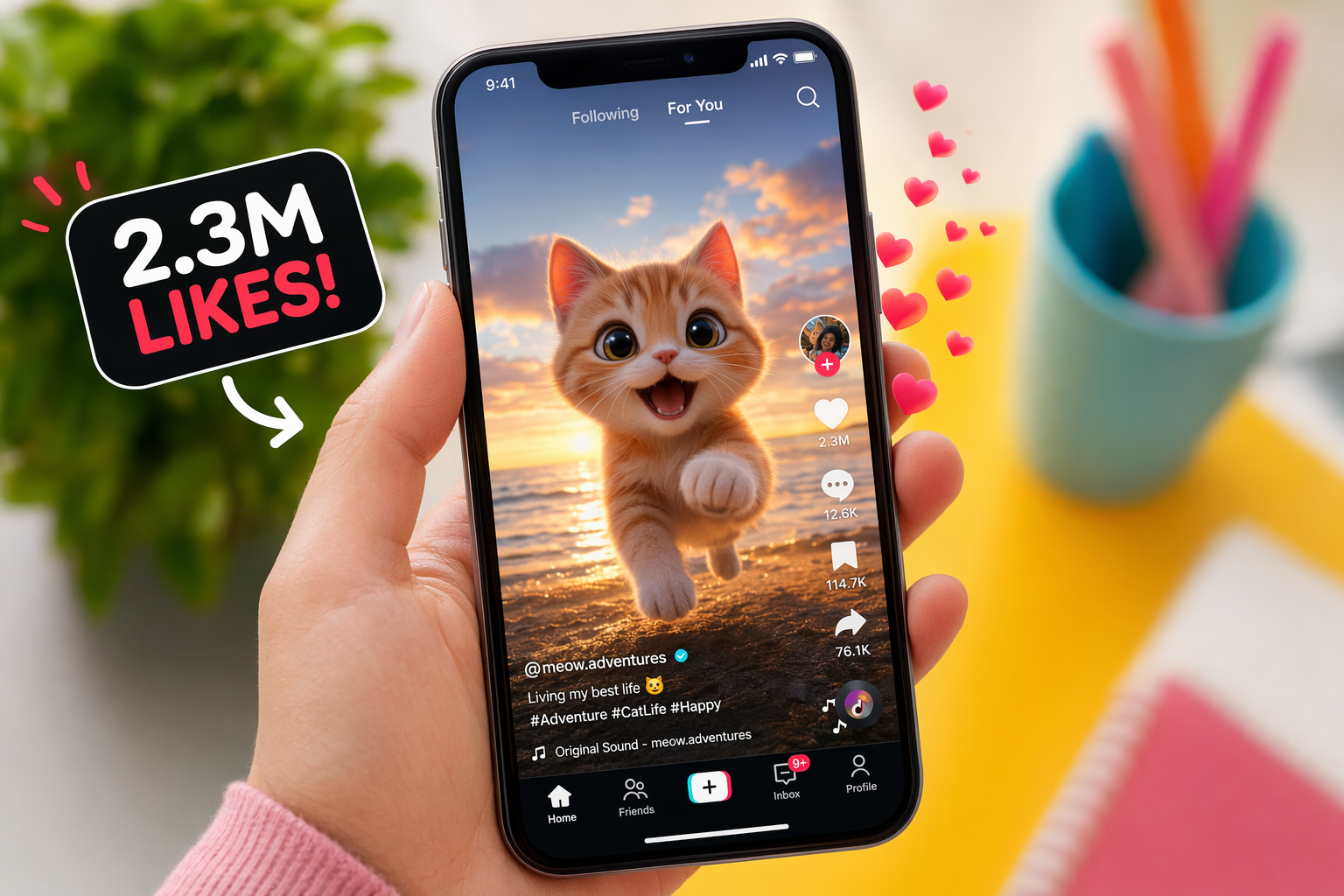
Frequently Asked Questions
What platform is best for AI kiss videos?
TikTok currently drives the highest raw view counts for AI kiss video content due to its discovery algorithm. Instagram Reels generates more saves and profile follows. YouTube Shorts works best for longer tutorial formats. Most creators cross-post across all three and let the algorithm decide which audience responds.
How long should an AI kiss video be for social media?
3–8 seconds is the sweet spot for most platforms. This is long enough to deliver the full emotional beat of the kiss moment, short enough to be watched multiple times in a single scroll session. Longer clips (10–15 seconds) work on YouTube Shorts when they include a tutorial component.
Do I need to disclose that the video is AI-generated?
Yes, and not just for ethical reasons — disclosure actually improves performance. Comments asking "wait, is this real??" drive massive engagement. A caption that says "AI-generated using Framia Pro" tells people where to go if they want to recreate it, which drives saves and shares. Transparency is both correct and strategically smart.
What types of kiss video content get the most shares?
Reveal formats (before/after showing input photos and output video) and reaction formats (filming someone's genuine response to seeing the clip) consistently generate the most shares. The emotional surprise element is what triggers the "my friend needs to see this" impulse that drives sharing.
Can I monetize content made with an AI kiss video generator?
On paid Framia Pro plans, the output includes commercial use rights, which means yes — you can include it in monetized content. Free tier outputs typically restrict commercial use. Check the specific terms of your plan, and always ensure you have appropriate rights to any faces appearing in the video.