A regional bank needs the same compliance training video in nine languages by next quarter. A manufacturer wants a consistent "face" for its investor updates without pulling an executive into a studio every time. A retail chain needs an onboarding video refreshed every time a policy changes. These are the situations where an ai spokesperson video stops being a novelty and starts being infrastructure — and DeepBrain AI's AI Studios is one of the more established platforms built specifically for it.
DeepBrain AI, founded in 2016 and headquartered in Palo Alto, builds AI Studios around exactly this use case: a digital spokesperson, generated from a photo or short recording, that delivers scripted content in any language without rebooking a presenter each time. Framia Pro tracks this category alongside broader AI video generation, since B2B teams increasingly need both a consistent avatar-led spokesperson and scene-based generative content in the same pipeline.
Why Businesses Choose an AI Spokesperson Over a Real Presenter
The case for an AI spokesperson isn't about replacing people — it's about removing the re-shoot tax. A real presenter delivering a training video needs a studio slot, wardrobe, a script read-through, and time. Every subsequent update — a policy change, a new product detail, a translated version — repeats most of that cost.
Think of it the way a broadcast news operation thinks about an anchor: the anchor's presence stays constant while the script changes daily. An AI spokesperson applies that same logic to corporate content — the presenter is fixed, the message is the variable, and updating the message means updating text, not rebooking a shoot.
DeepBrain AI's client list — publicly named on its pricing page and including AWS, BMW, Intel, Pfizer, Samsung, HSBC, and LG — reflects where this logic lands hardest: large organizations with recurring, multilingual, or frequently updated video content needs.
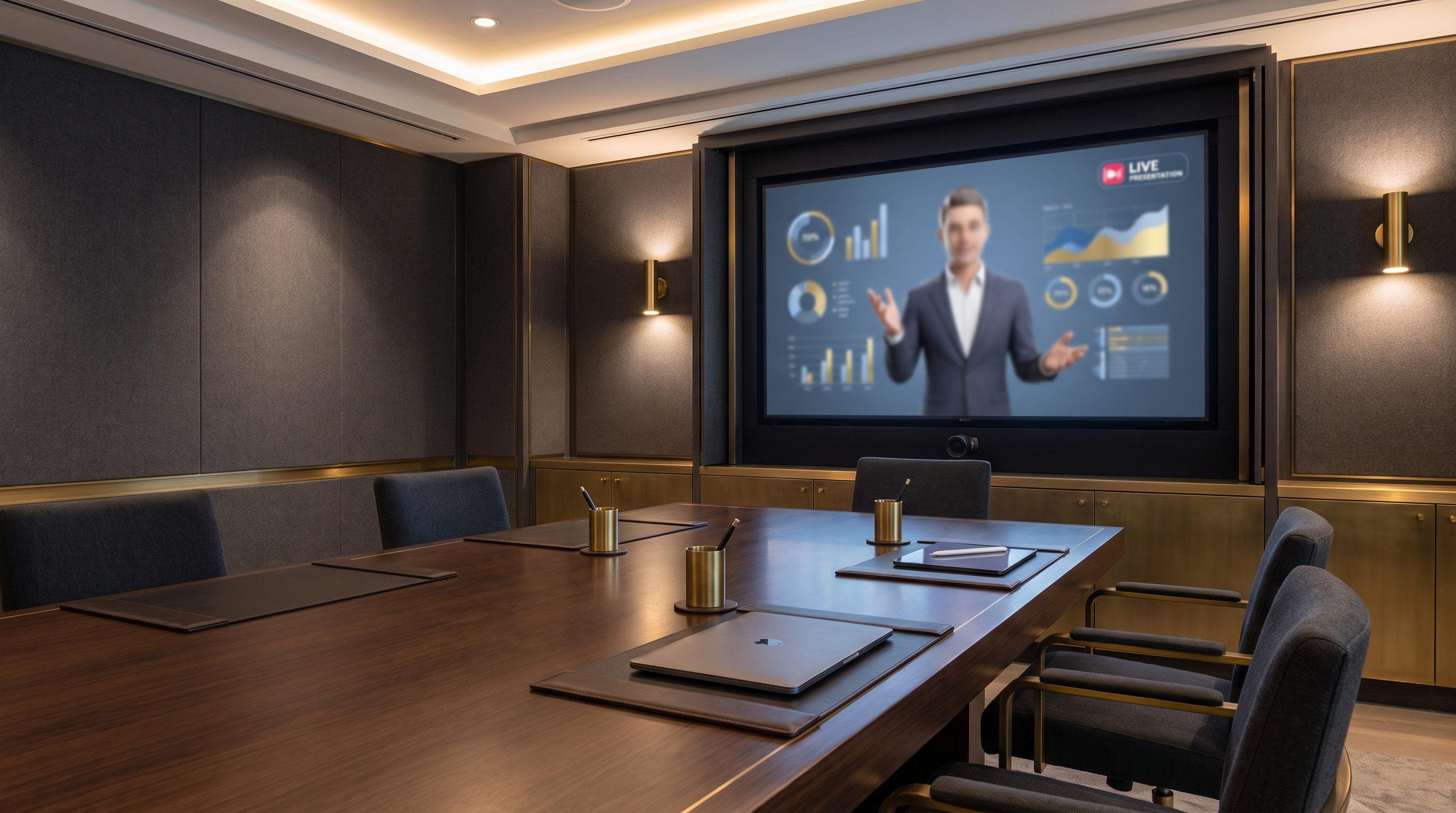
AI News Anchor and AI Spokesperson Use Cases in Practice
Two scenarios show up most often in how businesses actually deploy this technology:
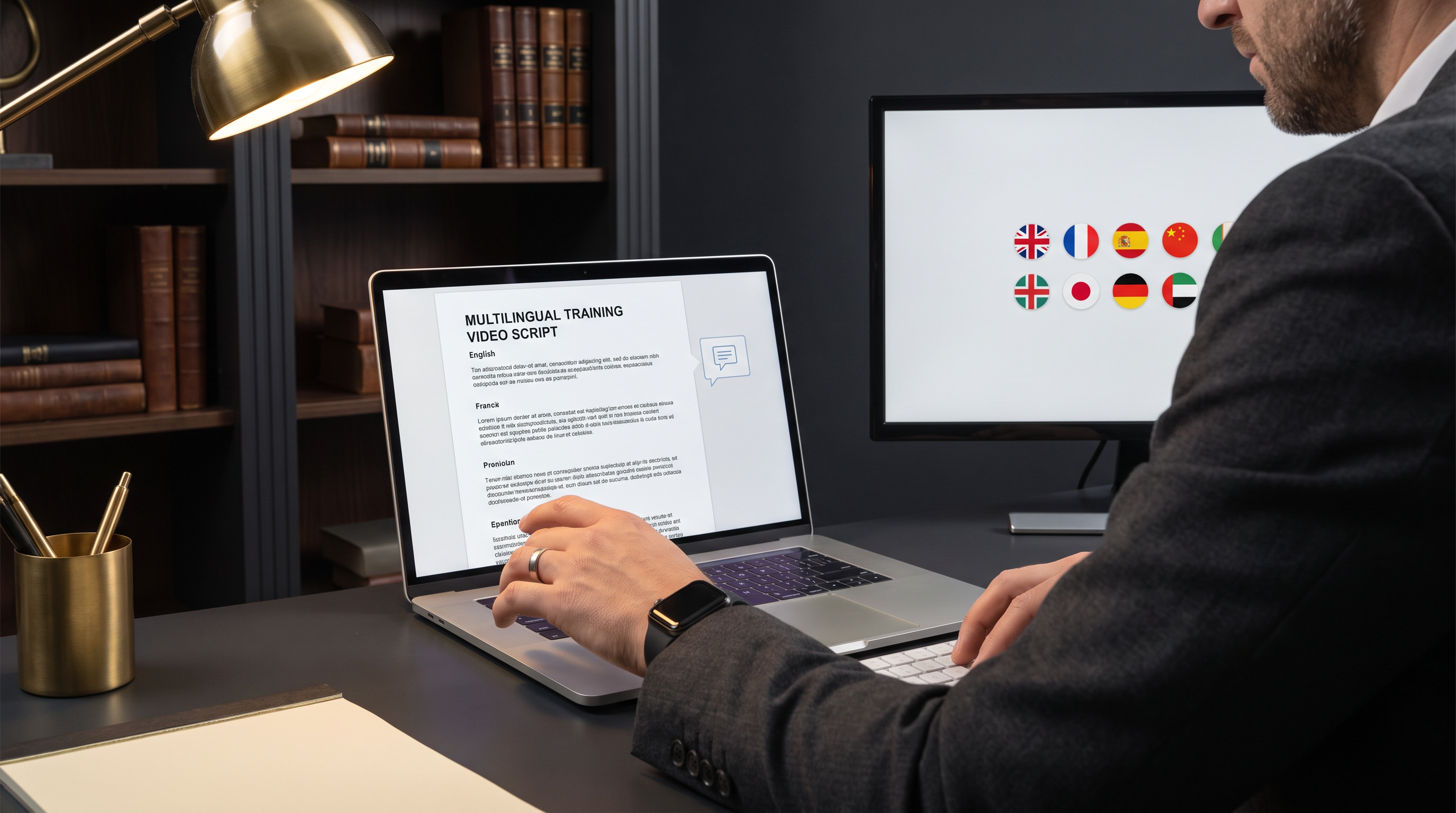
Corporate training and compliance. A single script becomes a training video in dozens of languages via AI dubbing (DeepBrain AI supports 73 languages and dialects), with the same avatar presenting across every version — useful for global teams where consistency of delivery matters as much as translation accuracy.
Internal and investor communications. Quarterly updates, policy announcements, and internal briefings that would otherwise require pulling an executive on camera can instead be scripted and generated, with the executive's own custom avatar (built from a short recording) delivering it — or a neutral stock avatar when no specific spokesperson is needed.
The "AI news anchor" framing that shows up in search interest reflects the same underlying pattern: a fixed, professional-looking presenter delivering variable scripted content, styled closer to a broadcast segment than a talking-head webcam recording.
DeepBrain AI Platform Tiers for Business Use
DeepBrain AI's AI Studios pricing scales specifically toward team and enterprise use, alongside a separate Interactive Avatar line for real-time conversational scenarios:
| Plan | Price | Custom Avatars | Video Length | Best For |
|---|---|---|---|---|
| Personal | $24/mo | 3 | Up to 30 min | Solo consultants, small teams |
| Team | $55/seat/mo | 5 | Up to 60 min | Marketing/L&D departments |
| Enterprise | Custom | Unlimited | Unlimited | Global orgs, compliance-heavy industries |
Team and Enterprise tiers add the features that matter most for B2B spokesperson use: shared workspaces so multiple stakeholders can review scripts before generation, SCORM export for e-learning platforms (Enterprise), SAML SSO for IT compliance, and bulk video generation from spreadsheets — useful when the same training video needs regenerating across dozens of regional variants at once.
DeepBrain AI vs. Other Platforms: What to Actually Compare
"deep brain ai vs synthesia" and similar comparisons come up often because both platforms serve the same core use case — script-to-avatar video for business content. Rather than a feature-by-feature scoreboard, the more useful comparison is workflow fit:
- Avatar library depth and custom avatar quality — how natural the lip-sync and movement look for your specific spokesperson.
- Language and dubbing coverage — critical if your organization operates in multiple regions.
- Enterprise controls — SSO, admin permissions, and bulk generation matter more as team size grows.
- Integration with your broader video pipeline — whether the platform's avatar output needs to combine with other generative or edited footage.
On that last point, teams whose B2B content mixes spokesperson segments with product demos or scene-based marketing footage often need a platform for AI video generation that handles the non-avatar half of the pipeline, since avatar-first platforms aren't built for generating varied scenes from a prompt.
How Framia Pro Fits Into a B2B Video Pipeline
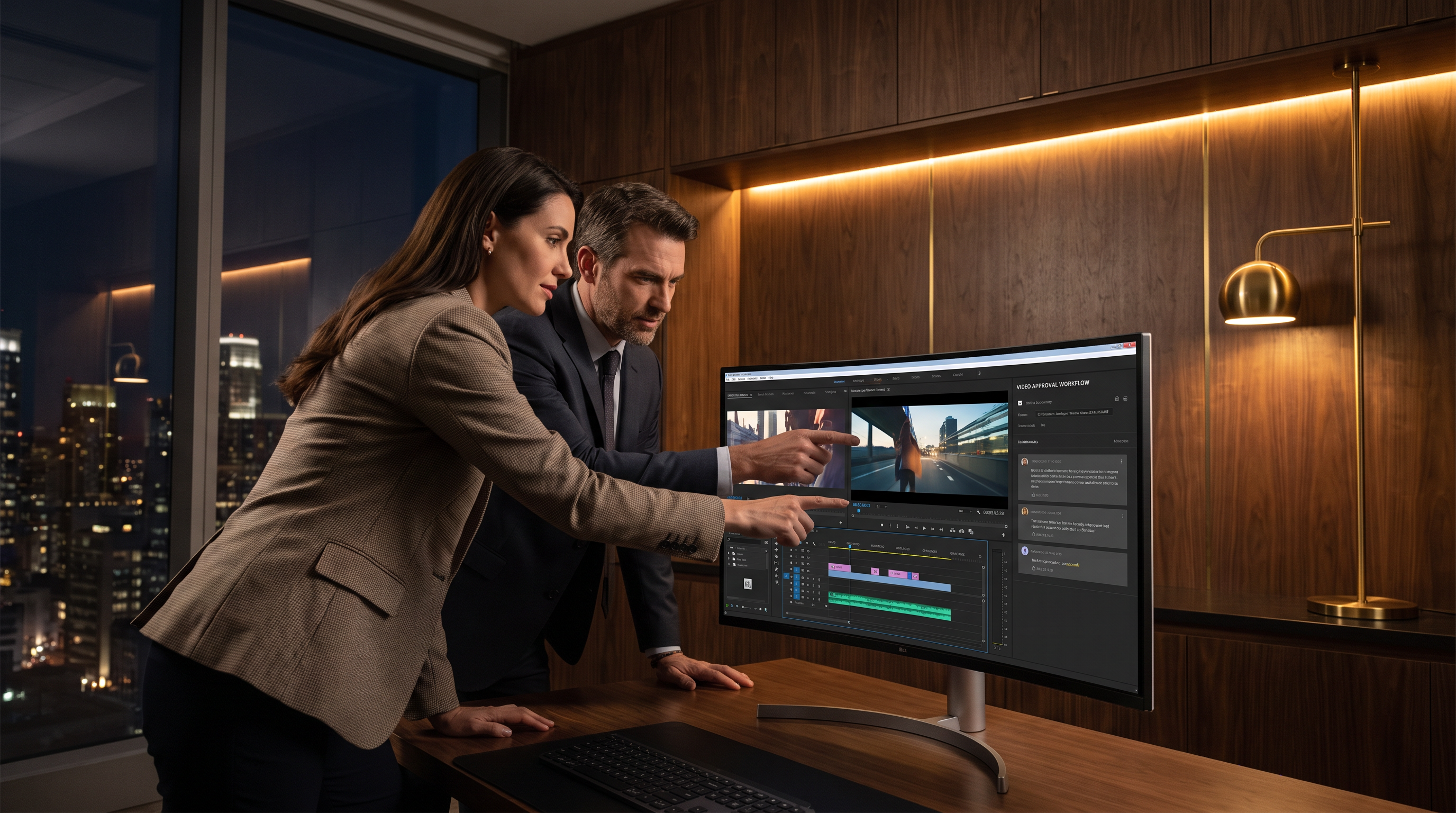
Framia Pro isn't built to generate a spokesperson avatar — it's where the rest of a B2B video pipeline gets built: product demo footage, scene-based marketing clips, and ad variants that sit alongside a spokesperson-led segment in the same campaign. A marketing team producing a product launch video with an executive intro, for example, might generate the intro through an avatar platform and the supporting product shots through Framia Pro, then combine both in a standard editor. For teams building Facebook or paid social video ads that pair a spokesperson message with product footage, this two-tool pipeline is increasingly the default rather than the exception.
A Five-Step Process for Producing an AI Spokesperson Video
Step 1 — Draft the script and get stakeholder sign-off before generating. For compliance or investor content, script accuracy matters more than production speed — lock the text first.
Step 2 — Choose a stock avatar for internal drafts, reserve custom avatars for external-facing final content. This keeps iteration cheap while your final output still uses a purpose-built presenter.
Step 3 — Generate a single-language draft to validate pacing and tone. Confirm the delivery feels right before triggering multilingual dubbing across every target market.
Step 4 — Run bulk or multilingual generation once the base version is approved. This is where the time savings compound — one approved script becomes many regional versions without re-shooting anything.
Step 5 — Route final exports through your existing review and distribution workflow. Treat the AI-generated video the same way you would a traditionally produced one for compliance sign-off.
Frequently Asked Questions
Is an AI spokesperson video suitable for compliance training?
Yes, this is one of the more established use cases — a consistent presenter delivering standardized content across languages, with the ability to quickly regenerate when policy details change, fits compliance training well. Enterprise tiers add SCORM export for direct LMS integration.
How is an AI spokesperson video different from a regular avatar video?
The terms overlap significantly. "AI spokesperson video" typically implies a more formal, business-oriented framing — training, investor communications, or brand representation — while "avatar video" is the broader technical term for the same underlying technology.
Can I use my own executive as the AI spokesperson?
Yes, custom avatars built from a short video and voice recording of a specific person are supported starting on the Personal plan, letting an executive's likeness deliver scripted content without repeated filming sessions.
What was "Movio" in relation to DeepBrain AI?
Movio is a legacy brand name historically associated with DeepBrain AI's avatar video technology, which is why some searches still reference "movio ai spokesperson." The current product is marketed as AI Studios under the DeepBrain AI name.
Do I need a different tool for product demo footage alongside my spokesperson video?
Often yes — avatar-first platforms are built around a consistent presenter, not scene-based generation. Teams needing both typically use an avatar platform for the spokesperson segment and a separate AI video generator for product shots or b-roll, combining both in final editing.
Is an AI Spokesperson Video Right for Your Business?
If your organization regularly produces training, compliance, or internal communication videos that need to scale across languages or update frequently, an AI spokesperson platform like DeepBrain AI's AI Studios addresses a real production bottleneck rather than a novelty use case. Team and Enterprise tiers are built specifically around the multilingual, multi-stakeholder workflows that B2B content demands. When your pipeline also needs scene-based footage to sit alongside that spokesperson content, Framia Pro's AI video generator rounds out the rest of the production process.