Shopping for an AI avatar or face-swap tool can turn into an afternoon of comparing credit systems, watermarks, and per-seat pricing before you've even generated a single clip. Akool's own limits — a 720p watermark on the free tier, per-seat bills that multiply with every teammate, credits that burn at different rates depending on which feature you touch — are usually what send people looking for something else in the first place.
This guide walks through seven Akool alternatives, including where each one wins and what it actually costs, so you can pick the right tool in minutes instead of trialing seven signups.
What Is Akool?
Akool is an all-in-one AI video platform that combines face swap, AI avatar generation, video translation across 155+ languages, and a real-time "Live Avatar" streaming mode in a single dashboard. It's built for marketers, creators, and teams who want to produce talking-head videos, dub existing content into other languages, or swap faces in photos and video without stitching together several separate tools — think of it as a Swiss Army knife for AI video: useful because it does many things, but not always the sharpest blade for any one of them.
Key features of Akool:
- Face swap — swap faces in photos and video, with watermark-free output on paid plans.
- AI avatar generation — create talking-head videos from a script or a single photo.
- Video translation — dub existing footage into 155+ languages with lip-sync matching.
- Live Avatar streaming — a real-time, conversational avatar mode for interactive use cases.
- Per-seat billing — team plans charge per seat, with a free tier capped at 720p, watermarked, and limited to 5-minute clips.
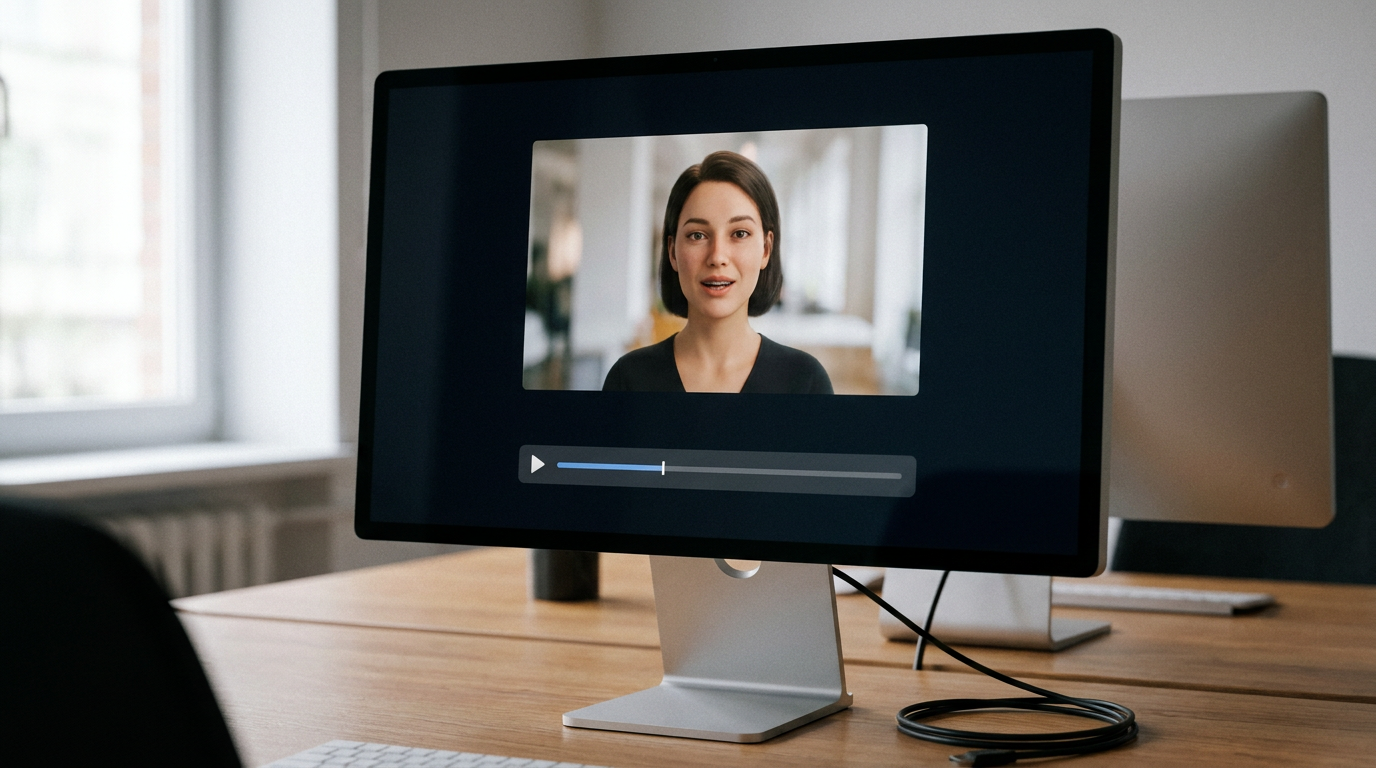
That breadth is also where the friction shows up. Credits burn at different rates depending on which feature you touch — a 4K talking photo eats far more than a 1080p avatar clip — billing is strictly per seat with no shared team pool, and the free tier caps out at 720p with a watermark and a 5-minute limit. If you've hit one of those walls, the seven Akool alternatives below cover the same core use cases at different price points and trade-offs.
What to Look for in an Akool Alternative
Before jumping to a comparison table, it helps to know which variables actually matter for your use case:
- Video translation quality and language count. Akool covers 155+ languages with lip-sync. If dubbing is your main job, check whether an alternative matches that range or specializes in fewer languages with better lip accuracy.
- Face swap resolution and commercial rights. Free tiers are almost always watermarked and capped around 720p. If you need clean, high-res output, compare the cheapest paid tier that removes the watermark, not just the free plan.
- Streaming / real-time avatar latency. Akool's Live Avatar mode targets real-time conversational use. Not every competitor offers this at all — some are batch-render only.
- Pricing transparency and per-seat math. Per-seat billing (Akool's model) means every teammate you add re-pays the full plan price. Tools with shared credit pools can be cheaper for small teams.
- Free tier usefulness. Some free plans are genuinely testable (enough minutes to finish a real clip); others cap out too fast to judge quality.
We'll reference these criteria throughout the comparisons below.
The 7 Best Akool Alternatives
Here's how the seven options stack up at a glance before we break each one down in detail.
| Tool | Best for | Free tier | Entry paid price | Max resolution | Languages / streaming |
|---|---|---|---|---|---|
| Framia Pro | All-in-one AI content generation + multi-platform publishing | Free to start | Paid plans for more credits | Depends on generation type | Multiple AI content types |
| HeyGen | Marketing avatars + translation | 3 watermarked videos/mo | $29/mo | 4K (Pro) | 175+ languages |
| Synthesia | Enterprise L&D / training | None (paid only) | $29/mo ($18 annual) | 1080p+ | 140+ languages |
| Tavus | Real-time conversational avatars | 25 conv. min/mo | $59/mo | 1080p | Real-time streaming |
| Hedra | Expressive talking photos | Limited trial | $15/mo | 1080p | No translation |
| Vidnoz | Free/budget face swap | Watermarked, ~720p, ~3 min | ~$26.99/mo | 1080p (paid) | No translation |
| D-ID | Developer API | Trial credits | $5.90-$18/mo | 1080p | Limited |
Prices and limits reflect publicly listed 2026 plans and can change — always confirm current numbers on the vendor's pricing page before committing.
1. Framia Pro — best for an all-in-one AI content platform
Framia Pro is a full generation platform, not a downstream editor — it covers AI avatar video, face swap, and more from a single dashboard, then lets you trim, caption, and reformat the result for different platforms without switching apps. It's free to start, with paid plans unlocking more generation credits and export formats.
Key features:
- Unified model access: Kling 3.0, Seedance 2.5, Gemini Omni Flash, and Veo 3.1 under one subscription — no separate accounts required.
- Workflow canvas: Image, video, voiceover, and music nodes connect in one view without file transfer between platforms.
- Template library: Ready-to-use starting points across social, e-commerce, branding, and advertising formats.
- No per-image credit limits on subscription plans — generates at production volume without credit management overhead.
Best for: Creators and marketing teams who need access to multiple video models plus image and audio generation under one subscription, without managing separate accounts. Access starts free at framia.pro.
Trade-off: Requires high-speed connectivity for smooth real-time canvas editing. Full feature access may require a paid plan for heavy creative workloads.

2. HeyGen — best for marketing avatars and video translation
HeyGen is the closest like-for-like Akool competitor for teams whose main job is turning scripts into talking-avatar marketing videos, then localizing them. The free tier gives 3 watermarked videos per month, Creator is $29/month (600 credits, 1080p), Pro is $49/month (4K export), and Business starts at $149/month with additional seats at $20 each.
Key features:
- AI avatars generated from a script or a photo
- Voice cloning
- Video translation across 175+ languages
- Up to 4K export on the Pro plan
Best for: Marketing teams producing repeatable talking-head content across multiple languages.
Trade-off: Credit consumption scales with resolution and avatar type, similar to Akool — so budget the same way you would with Akool's tiers.
3. Synthesia — best for enterprise localization and training video
Synthesia leans hard into corporate learning and development: think onboarding videos, compliance training, and internal comms that need to ship in a dozen languages without hiring a dozen voice actors. Starter is $29/month billed monthly (or $18/month billed annually) for 10 minutes of video per month, and Creator jumps to $89/month ($64/month annual) for more minutes and features.
Key features:
- AI avatars with lip-sync across 140+ languages
- SCORM-exportable training content
- Enterprise-grade templates for L&D and compliance training
Best for: Enterprise L&D teams needing SCORM-exportable, 140+ language training content.
Trade-off: Minutes-based pricing gets expensive fast for high-volume, short-form content — it's built for polished, longer-form training, not quick social clips.
4. Tavus — best for real-time conversational avatars
If Akool's Live Avatar streaming mode is the feature you actually use, Tavus is worth a direct look. It's built specifically for real-time, conversational AI avatars rather than pre-rendered video. The free tier includes 25 conversational minutes plus 5 generation minutes per month, and Starter is $59/month for 100 conversational minutes, 10 generation minutes, and 3 replica trainings.
Key features:
- Real-time, low-latency conversational avatars
- Custom replica training
- API access for embedding live avatars into your own product
Best for: Interactive product demos, AI customer-facing agents, and live avatar experiences.
Trade-off: Less useful if your workflow is mostly batch-rendered marketing video rather than live interaction.
5. Hedra — best for expressive talking-photo content
Hedra's Character-3 model is built for expressive, performance-driven talking photos and short avatar clips rather than enterprise localization workflows. Basic is $15/month (1,500 credits, commercial use included), Creator is $30/month, and Professional is $75/month.
Key features:
- Character-3 model for expressive, performance-driven avatars
- Talking-photo generation from a single image
- Commercial usage rights included on paid plans
Best for: Creators who want more expressive, character-driven output than typical corporate avatar tools produce.
Trade-off: Narrower feature set than Akool — it's focused on talking-photo/character generation, not translation or live streaming.
6. Vidnoz — best free, budget-friendly face swap
Vidnoz is the pick if your primary need is quick face swap or avatar clips without committing to a paid plan first. The free tier is watermarked, non-commercial, and capped near 3-minute clips at ~720p, while paid plans start around $26.99/month (promotional pricing varies).
Key features:
- Fast face swap for photos and video
- One of the more generous free tiers in this list
- Simple, no-commitment testing flow before you pay for anything
Best for: Casual creators or anyone testing face swap output quality before paying for anything.
Trade-off: Free output isn't commercially usable, and resolution lags premium tools.
For a deeper, face-swap-specific shootout — including tools like Reface, Magic Hour, and DeepFaceLab — see Framia's Best AI Face Swap Tools in 2026 roundup.
7. D-ID — best low-cost photo-to-video API
D-ID is aimed at developers who want to embed talking-photo generation directly into their own product via API, rather than using a standalone editor. The Build plan starts at $18/month, Studio Lite starts from $5.90/month, and Advanced (clean output, no watermark) runs $196/month.
Key features:
- REST API for embedding talking-photo generation into your own app
- Studio Lite as a lightweight, lower-cost entry plan
- Advanced tier with watermark-free, high-quality output
Best for: Developers building avatar or talking-photo features into their own app.
Trade-off: Entry-level tiers are API/developer-oriented, not a polished consumer editor like Akool's dashboard.

How Framia Pro Fits into Your Workflow
None of the tools above have to be your only option — most teams end up wanting both generation and a place to finish and republish content without stitching together several separate apps. Framia Pro is built as an all-in-one platform: generate AI avatars, face swap, and video, then trim, caption, and reformat the result for different platforms, all from the same dashboard.
If you're evaluating alternatives from this list, it's worth testing Framia's AI Avatar and Face swap tools directly to see how generation and publishing fit together in one workflow before you commit to a paid seat anywhere else. Both cover the export formats and presets you'll need if you're publishing across multiple platforms from one source clip.
Which Akool Alternative Fits Your Use Case
- Want one all-in-one platform to generate and publish content: Framia Pro.
- Need multi-language marketing video at scale: HeyGen.
- Need enterprise training content in many languages: Synthesia.
- Need a live, conversational avatar for demos or support: Tavus.
- Want expressive, character-driven talking photos: Hedra.
- Just want free face swap to test quality: Vidnoz.
- Building avatar features into your own product: D-ID.
Whichever tool you land on, test with a real script and a real face before committing to an annual plan — free tiers exist precisely so you can catch resolution, lip-sync, and watermark issues before they cost you a full subscription.
FAQ
Is there a truly free Akool alternative? Vidnoz's free tier is the most usable for casual testing, though output is watermarked and capped around 720p and 3-minute clips. HeyGen's free tier gives you 3 watermarked videos per month if you want to test avatar quality specifically.
What's the cheapest paid Akool alternative? D-ID's Studio Lite starts from $5.90/month, and Hedra's Basic plan is $15/month — both undercut Akool's $12/seat Starter tier depending on which features you actually need.
Is Akool worth it compared to these alternatives? Akool's advantage is breadth — face swap, avatars, translation, and live streaming in one dashboard. If you only need one of those features, a specialized tool (HeyGen for translation, Tavus for live avatars) is often better value than paying for Akool's full feature set.
Do any of these alternatives support real-time streaming like Akool's Live Avatar? Tavus is the closest match, built specifically for real-time conversational avatars rather than pre-rendered clips.
How does per-seat pricing affect team costs? Akool and HeyGen's Business tier both charge per seat, so a 5-person team pays 5x the base plan. If budget is tight, look at tools with shared credit pools rather than per-seat licensing.
Which alternative has the best video translation quality? HeyGen and Synthesia both specialize in translation/dubbing — HeyGen covers more languages (175+) while Synthesia focuses on polished enterprise training content across 140+ languages.