An illustrator posts an AI-assisted piece on a print-on-demand shop and gets a takedown notice — not for stealing anyone's work, but because the marketplace's AI policy changed overnight. Copyright law didn't shift; a private company's terms of service did. That gap between "is it legal" and "is it allowed here" trips up sellers of AI-generated art, whether it's a still image or a video clip.
The core issue is that AI art copyright status and platform permissions are two separate systems, and you have to clear both before you can sell anything with confidence. Even when an image sits in a legal gray zone, a marketplace can still block, allow, or restrict it purely through its own rules — which is why two sellers with nearly identical AI-generated pieces can have completely different experiences on the same platform.
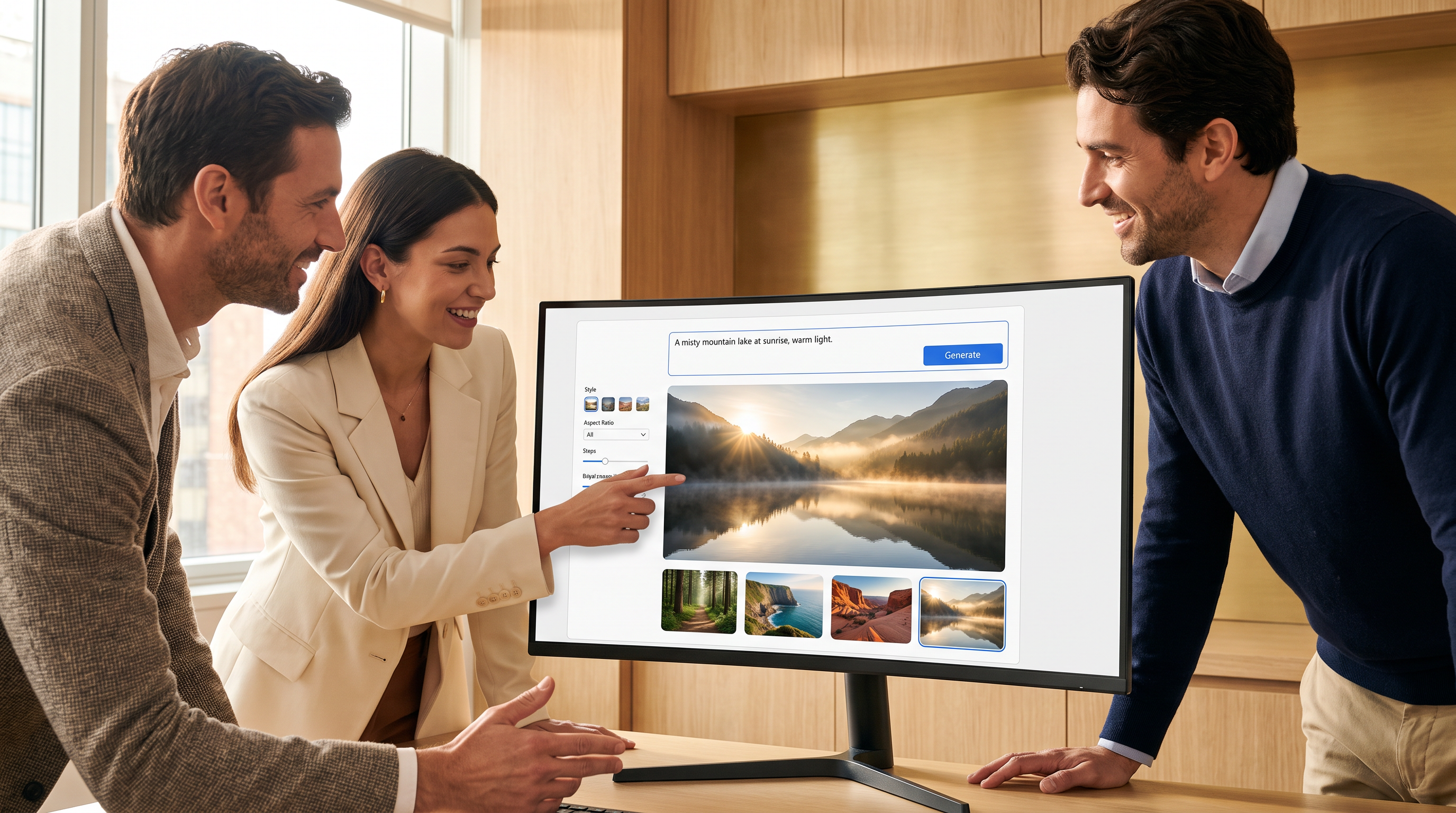
The Two Gates You Have to Clear Before Selling
Selling AI-generated art means passing through two independent checkpoints, and missing either one can shut down a sale.
Gate one: copyright status. As covered under current AI art copyright guidance from the U.S. Copyright Office, purely AI-generated images or videos without meaningful human editing generally aren't eligible for copyright registration. That doesn't make selling them illegal — but it does mean you may not be able to stop someone else from copying and reselling the same output, since you don't hold exclusive rights to it.
Gate two: platform terms of service. This is the part sellers underestimate. A marketplace's rules on AI content are a business policy, not a copyright determination — a platform can require AI disclosure, ban AI content in certain categories, or demand proof of a commercial license, regardless of what copyright law says about your specific image or video.
A useful way to think about it: copyright law is the referee for who owns what between people, while a platform's terms of service is more like a venue's dress code — a private rule that can be stricter than the law requires, and one you agree to the moment you list a product there.
How Major Platforms Treat AI-Generated Art
Policies shift often, but the general pattern in mid-2020s marketplace policy looks like this — for both image and video content:
| Platform type | Typical AI art policy | What sellers need to watch |
|---|---|---|
| Print-on-demand marketplaces (e.g., Etsy-style) | Generally allowed if clearly disclosed as AI-generated | Disclosure requirements and prohibited-content categories change periodically |
| Stock/print marketplaces (e.g., Redbubble-style) | Often allowed with content restrictions on recognizable people, brands, or copyrighted characters | Enforcement is usually driven by automated content scanning, not manual review |
| NFT marketplaces | Varies widely by platform; some require explicit AI disclosure in listings | Buyers increasingly ask directly whether a piece is AI-generated before purchase |
| Video and content platforms (e.g., YouTube, TikTok, stock video sites) | Increasingly requires AI-generated video labeling; some restrict fully synthetic media in certain categories | Music, voice, and likeness rights stack on top of the video's own copyright status |
| Direct sales (your own site, Framia Pro-style tool exports) | No third-party policy to clear — you set your own terms | You're fully responsible for your own licensing claims to buyers |
Selling through your own channel removes the platform-policy layer entirely, but it also means you're the one making licensing claims to buyers, so accuracy about what you're actually granting them matters even more.
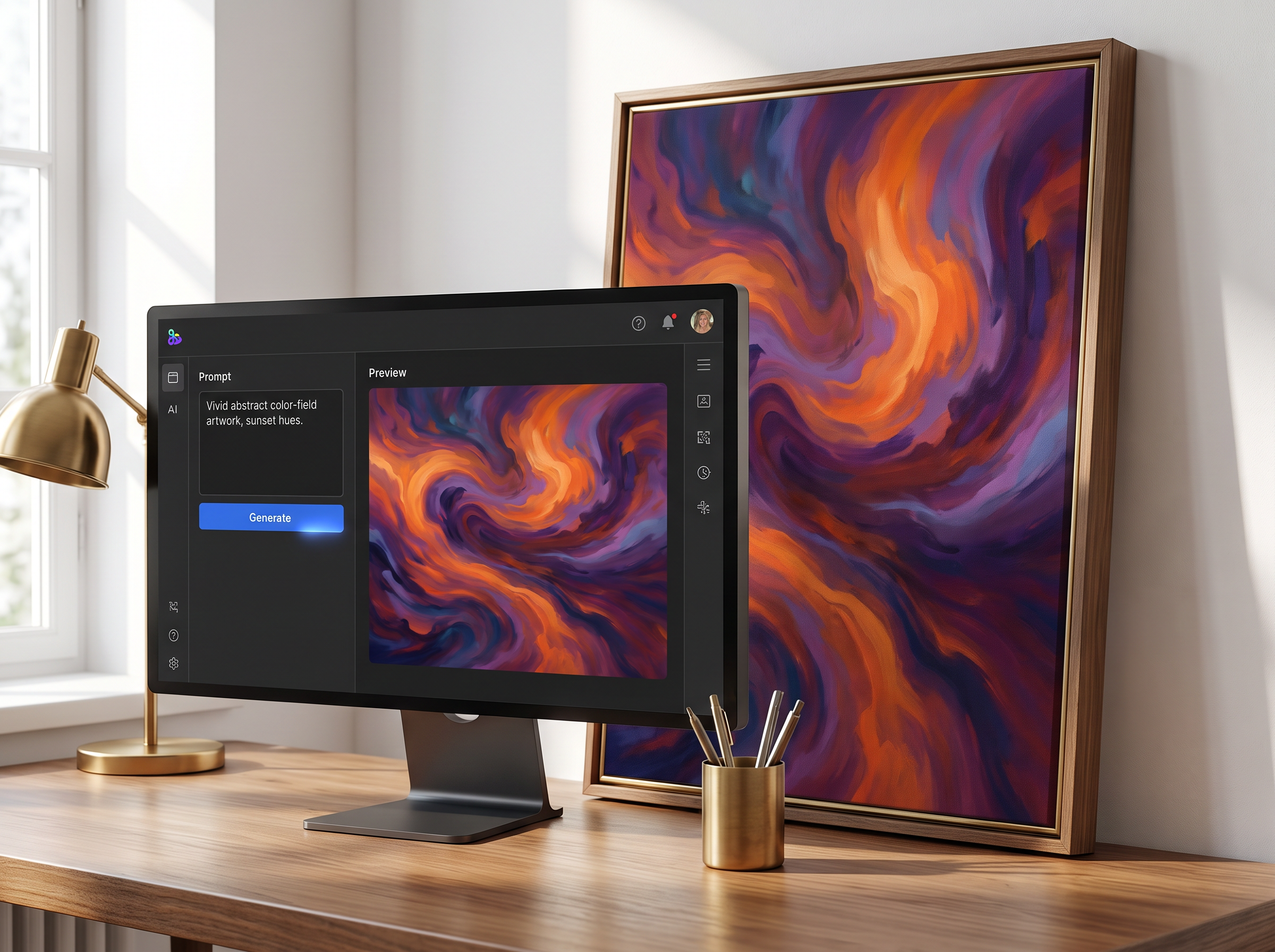
Commercial License vs. "No Copyright" Doesn't Mean the Same Thing
One of the most common mix-ups in AI art copyright discussions: assuming that if a work has "no copyright," it must be free to use commercially with no restrictions. That's not quite right.
A commercial license from an AI tool is a permission granted by that platform's terms of service — it tells you what you're allowed to do with output you generate there, including selling it. Copyright eligibility is a separate legal question about whether you (or anyone) can stop others from copying that exact image. You can have a tool's commercial license (permission to sell) on an image that simultaneously has no independent copyright protection (no ability to stop a copycat). Both things can be true at once, and sellers who only check one of them are working with half the picture.
This is why choosing a generation tool with a clear, written commercial-use license matters more than checking a general "is AI art copyright free" claim you saw somewhere online — the license terms of the specific tool you used are what actually govern your right to sell, alongside whatever copyright protection (if any) applies to the output.
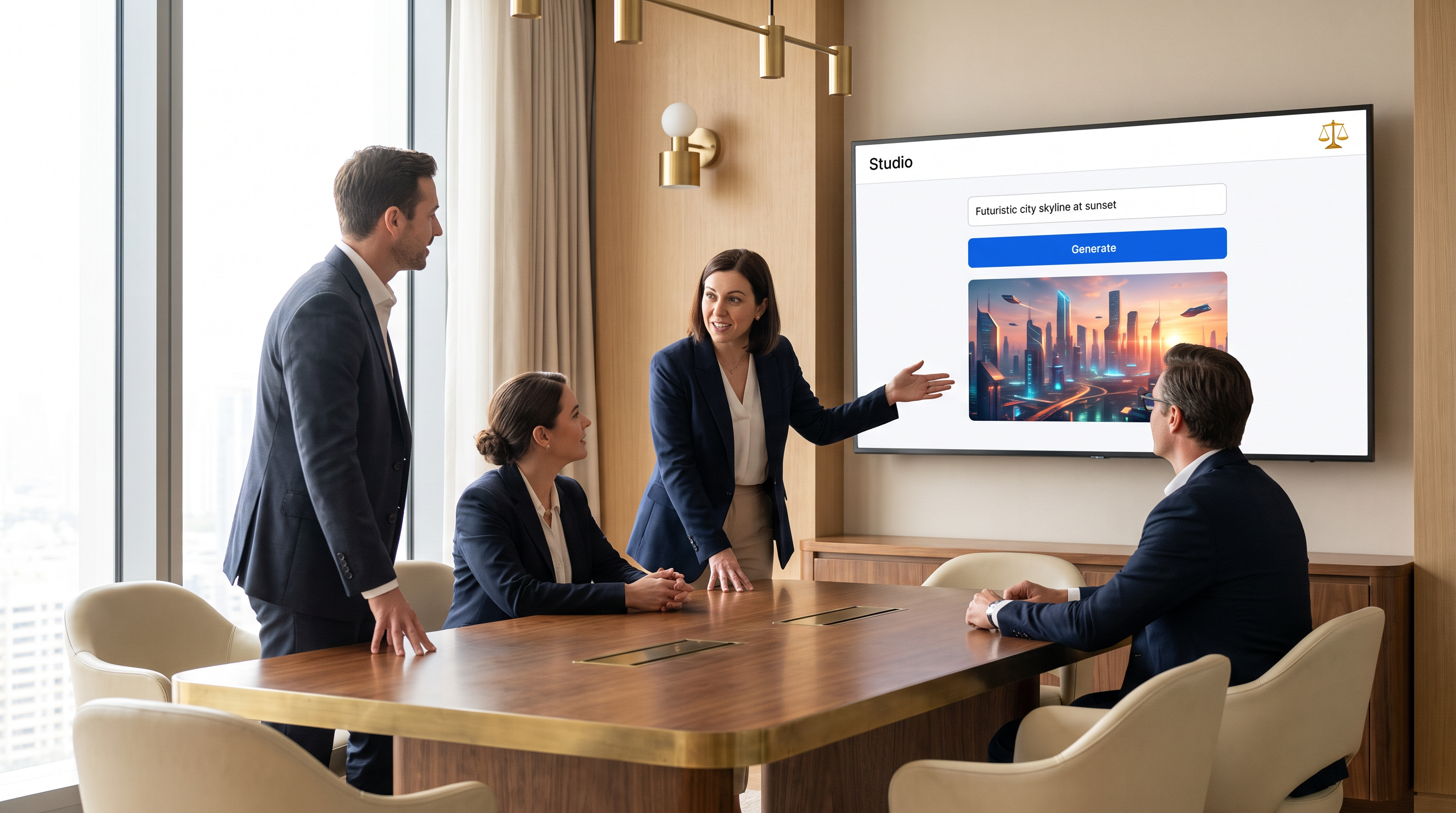
Can You Sell AI Generated Art? How to Stay Compliant
A few practical habits keep sellers out of trouble as AI art copyright enforcement and marketplace policies continue shifting:
- Check the platform's current AI content policy before listing, not after. These policies get updated more often than most sellers expect, and enforcement is frequently automated.
- Disclose AI involvement where required. Several platforms now mandate an AI-generated label; skipping it risks a takedown even on an otherwise compliant listing.
- Confirm your generation tool's commercial-use terms in writing. A "free to use" tier and a "commercial license" tier are often different pricing plans with different rights attached.
- Avoid prompts that reproduce recognizable characters, logos, or a living artist's distinctive style by name. This is a common cause of takedowns independent of the AI-vs-copyright debate entirely.
- Keep records of your prompts, licenses, and platform terms at the time of sale. If a dispute comes up later, this documentation is what you'll need to show good-faith compliance.
- For video, check music, voice, and likeness rights separately from the copyright question. AI-generated video often layers synthetic voice or licensed music on top of visuals, and those components carry their own rights obligations beyond the video's own copyright status.
Where Framia Pro Comes In
Framia Pro tracks the commercial-use terms and licensing fine print across both AI image and AI video generator tools as they change, which matters because those terms — not just general copyright status — determine whether a specific piece of AI-generated art or video is actually clear to sell on a given platform. Comparing tools by output quality alone misses half of what a seller needs to know before listing anything.
If you're producing images or video clips intended for sale, checking your AI tool's commercial license terms before you generate — not after you've already listed the piece — saves you from having to pull a listing later over a rights issue that was avoidable from the start.
Selling AI-generated art comes down to clearing two separate hurdles — copyright status and platform policy — and neither one alone tells you the full story. Before your next listing, it's worth confirming the commercial terms of the AI image generator behind your work, since that license is often the deciding factor a marketplace or buyer will actually ask about.
FAQ
Can you sell AI-generated art?
Generally yes, but it depends on the platform's specific policy and the commercial-use terms of the tool you used to generate it. There's no single universal rule — it's a combination of platform terms and tool licensing.
Can you sell AI art as an NFT?
Some NFT marketplaces allow it, often requiring explicit disclosure that the piece is AI-generated. Policies vary significantly by platform, so check current terms before minting.
Can you sell AI-generated video content?
Yes, under the same two-gate framework: check the platform's policy on synthetic or AI-generated video, and confirm the commercial license terms of the AI video generator you used. Video adds an extra layer — if the tool relied on licensed stock footage, voice synthesis, or music during generation, those components can carry separate rights obligations beyond the video's own copyright status.
Is AI art copyright free, meaning anyone can use it without permission?
Not automatically. "No copyright protection" means you can't stop others from copying the image — it doesn't override a marketplace's own content rules or a generation tool's terms of service governing how output can be used.
Do I need a commercial license to sell AI-generated images?
If you used a paid or free-tier AI image generator, check its terms specifically. Many tools separate "personal use" output from "commercial use" output, sometimes tied to different subscription tiers.
What happens if I sell AI art without proper disclosure?
Consequences depend entirely on the platform — ranging from a content flag to a full listing takedown. This is a platform enforcement issue, separate from copyright law itself.