Running an e-commerce brand without UGC product video content in 2026 is like opening a restaurant without a single review on Google — technically possible, but you are leaving most of your potential customers' trust on the table. The problem is not that brands do not want UGC product video. It is that the traditional path to getting it — sourcing creators, coordinating shipments, briefing shots, editing footage, and waiting two weeks for deliverables — is too slow, too expensive, and too unpredictable for the volume modern ad accounts demand.
AI has changed that calculus entirely. E-commerce brands now generate authentic-style UGC product video in hours, not weeks, at a fraction of the cost of a creator shoot — and at the volume that actually moves performance metrics.

Why UGC Product Video Outperforms Polished Ads on E-commerce Channels
The conversion psychology behind UGC content is well-documented: authenticity signals drive purchase intent in ways that produced brand content simply cannot replicate. Shoppers who encounter ugc product video on a product page or in a social ad are exposed to content that answers the question they actually have — "does this work for someone like me?" — rather than the question brands want to answer — "isn't this product great?"
Research across major e-commerce categories shows that product pages featuring UGC video convert at rates significantly higher than pages with only brand photography or studio video. The mechanism is straightforward: UGC functions as a live testimonial, compressing the awareness-to-trust journey that would otherwise take multiple ad exposures to complete.
Two platform-specific factors amplify this effect. First, social algorithms on TikTok, Instagram Reels, and Facebook deprioritize content that reads as overtly promotional, meaning polished studio ads receive less organic distribution even in paid placements. UGC-style creative blends into the native feed environment, earning more attention per impression spent. Second, comment-section behavior on UGC posts generates its own organic social proof — viewers ask questions, tag friends, and share the content in ways they would never engage with a branded ad.
Framia Pro clients across apparel, beauty, home goods, and wellness categories consistently report that shifting even a quarter of their ad budget to AI-generated ugc product video is the single lever with the fastest measurable impact on CPC and ROAS.
What Makes UGC Product Video Content Actually Convert
Effective ugc product video for e-commerce is not just any casual-looking footage. High-converting UGC follows a specific creative architecture that most first-time creators get wrong without a framework to guide them.
The first three seconds are everything. E-commerce shoppers on social feeds make a keep-or-scroll decision in under two seconds. The hook must immediately signal either a relatable problem the viewer lives with right now, or an unexpected result that contradicts their existing assumption about the product category. A hook like "I finally found the only [product category] that doesn't…" works because it positions the product as the answer to a frustration the viewer already recognizes.
The middle section should show, not tell. Demonstrating the product in use in a realistic environment — a bathroom counter, a kitchen table, a gym bag — gives the viewer a mental model of the product in their own life. This is the critical difference between ugc product video and studio advertising: studio ads show the product at its best; UGC shows the product in the viewer's actual context.
The closer should resolve the tension the hook opened. Whatever problem or skepticism the first three seconds surfaced, the final five seconds should answer it concisely — and with a soft invitation to act rather than a hard sell. When you pair this creative structure with a strong distribution strategy for AI UGC ads, the result is a creative that does not just generate clicks but builds trust before the landing page even loads.
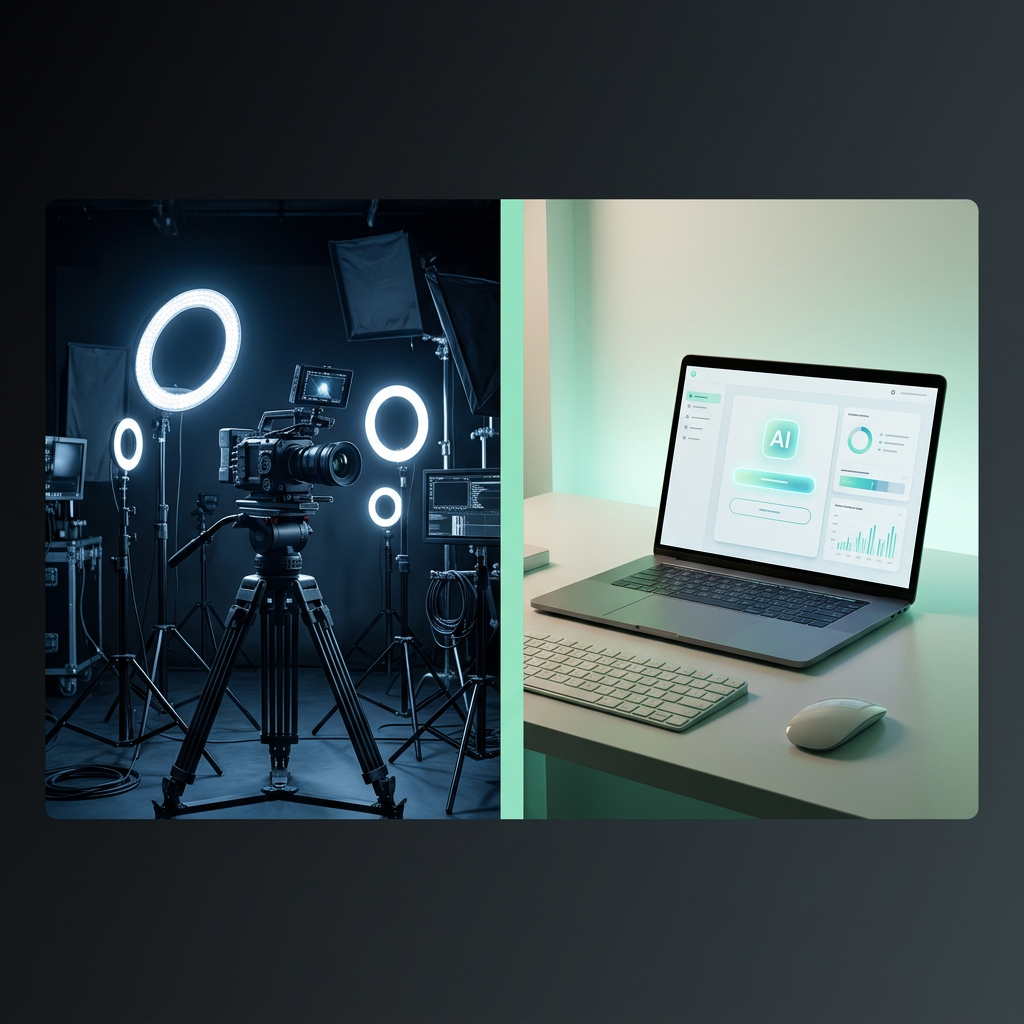
Creator Shoots vs AI: The True Cost of UGC Product Video Production
The economics of traditional UGC content creation do not scale with the volume modern performance marketing requires. Here is what the real comparison looks like:
| Production method | Cost per video | Turnaround time | Monthly volume capacity | Iteration flexibility |
|---|---|---|---|---|
| Professional creator (top tier) | $500–$2,000 | 10–21 days | 2–4 videos | Very limited |
| Micro-influencer outreach | $100–$500 | 7–14 days | 5–10 videos | Limited |
| In-house creator team | $200–$600 (fully loaded) | 3–7 days | 10–20 videos | Moderate |
| AI UGC generation (Framia Pro) | $15–$40 | Under 2 hours | 50–200+ videos | Unlimited |
The cost gap is significant, but the more important number for most e-commerce teams is turnaround time. A brand that can respond to a trending audio on TikTok within the same day outperforms a brand waiting two weeks for a creator to deliver. Speed-to-market is itself a competitive advantage in performance advertising — and AI ugc product video production makes it permanently accessible regardless of team size or budget.

How Framia Pro Generates UGC Product Video for E-commerce at Scale
Imagine you are managing five e-commerce product lines, each targeting three different audience segments, across four platforms. The traditional content math becomes impossible very quickly: you would need dozens of creators, a dedicated project coordinator, and a monthly production budget that most brands cannot sustain without taking funds away from actual media spend.
Framia Pro approaches this differently. Rather than coordinating human creators, it gives your team a production system where the inputs are your product brief and the outputs are ready-to-run ugc product video creatives — in whatever volume your ad account needs, delivered in hours.
The process starts with the AI script generator: enter your product URL, target audience, key benefits, and tone. The system generates multiple script variants covering different hook styles, objection handlers, and CTA approaches for each UGC format — unboxing, testimonial, demo, before-and-after. You choose a direction, blend elements, or run all variants as separate creatives in the same session.
From there, Framia Pro's AI UGC video generator builds the video: AI presenters with authentic visual styling, natural voice cadence, product-in-use sequences, and overlay elements calibrated to each platform's native aesthetic. The AI ad maker handles final assembly — aspect ratio variants for 9:16, 1:1, and 16:9, platform-specific safe zones, and export-ready specs for every major ad platform.
What this means practically for an e-commerce team:
- New product launch: Generate 10–15 ugc product video variants covering multiple hooks and audience angles in the same afternoon the brief is approved
- Seasonal campaign refresh: Swap hooks, update angles, and re-export the full set in hours rather than weeks
- Geographic expansion: Localize ugc product video into new markets with regional visual and language adaptations — without sourcing new creators in each territory
- Continuous creative testing: Run weekly A/B tests with fresh variants so your ad account never stagnates on creatives the algorithm has already exhausted
Framia Pro's pipeline integrates with performance data over time, so creative briefs evolve based on what your audience actually responds to — not just what looks polished in a brand review meeting.
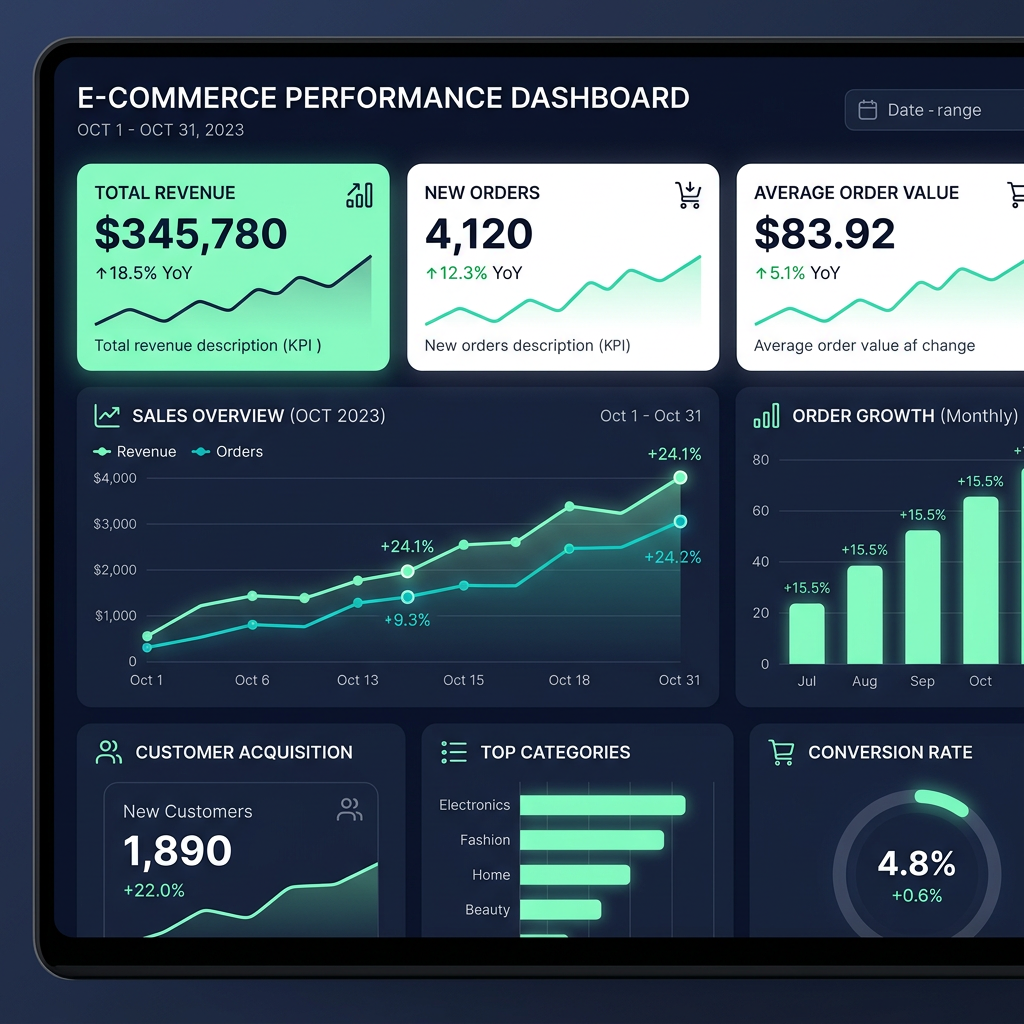
Building a UGC Product Video Strategy That Scales Beyond Individual Campaigns
A single great ugc product video will move metrics for a week. A system for continuously producing them is what builds a durable competitive advantage in e-commerce advertising.
The brands winning with ugc product video in 2026 treat content like inventory: always in production, regularly refreshed, and managed against a clear performance threshold. When a creative's thumb-stop rate or CTR drops below target, it is retired and replaced — not patched. This requires a pipeline that can turn around new ugc product video fast enough to keep the account fresh, which is exactly the operational model that AI generation enables.
Starting a ugc product video ads operation at this pace does not require a large team or a large budget. It requires a clear brief template, a defined set of formats per platform, and a tool that executes both reliably. With Framia Pro, the bottleneck shifts from production capacity to creative strategy — which is exactly where your team's attention should be focused.
Frequently Asked Questions
Does AI-generated UGC product video actually look authentic? Yes, when production inputs are configured correctly. The key variables are the visual style of the AI presenter, the background environment (realistic, relatable settings outperform generic ones), lighting treatment, and pacing. Framia Pro's generation is calibrated for platform-native authenticity based on continuously updated style data from current social feeds.
Can I use AI UGC product video on product listing pages, or only in ads? Both. Many e-commerce brands embed AI-generated UGC video on product detail pages alongside their existing photography. The authenticity cues work identically on a product page as they do in a social ad — they answer "does this work for someone like me?" at the exact moment the shopper is closest to purchasing.
How many ugc product video variants should I generate per product? For a new product launch, start with 8–12 variants covering at least three different hooks and two UGC formats. For ongoing campaigns, plan to add 2–4 new variants per week to prevent creative fatigue from suppressing algorithm performance.
Do I need existing footage of my product to use Framia Pro? No. Framia Pro generates ugc product video from product images, your product URL, and a creative brief. You do not need existing footage, though you can supply reference images or existing clips if you want to incorporate specific visual assets.
What product categories work best for AI UGC product video? Beauty, skincare, apparel, home goods, fitness equipment, supplements, and consumer electronics consistently produce strong results. Any category where a real person's experience and endorsement carries purchase influence is a strong fit — which covers the vast majority of e-commerce verticals.
E-commerce moves faster than any creator pipeline can keep up with. Start generating AI UGC product video with Framia Pro — no crew, no wait, no budget overruns — and keep your creative supply chain permanently ahead of your media spend.