Short-form video drives more organic reach per piece of content than almost any other format in digital marketing today. But the gap between who's winning with it and who's struggling comes down to one factor: production speed. AI shorts generators exist because the ideas were never the bottleneck — execution was.
The good news is that an AI shorts generator isn't just for one type of creator or team. Framia Pro shows up across a handful of very different workflows — solo content creators, brand marketing teams, digital marketers running paid and organic campaigns, agencies juggling multiple clients, and e-commerce sellers — and the value it delivers to each looks a little different. Understanding which use case matches your situation helps you get more out of the tool faster.
This guide breaks down each use case in practical terms: who benefits, what the workflow looks like, and what results to expect.

Use Case 1 — The Solo Content Creator
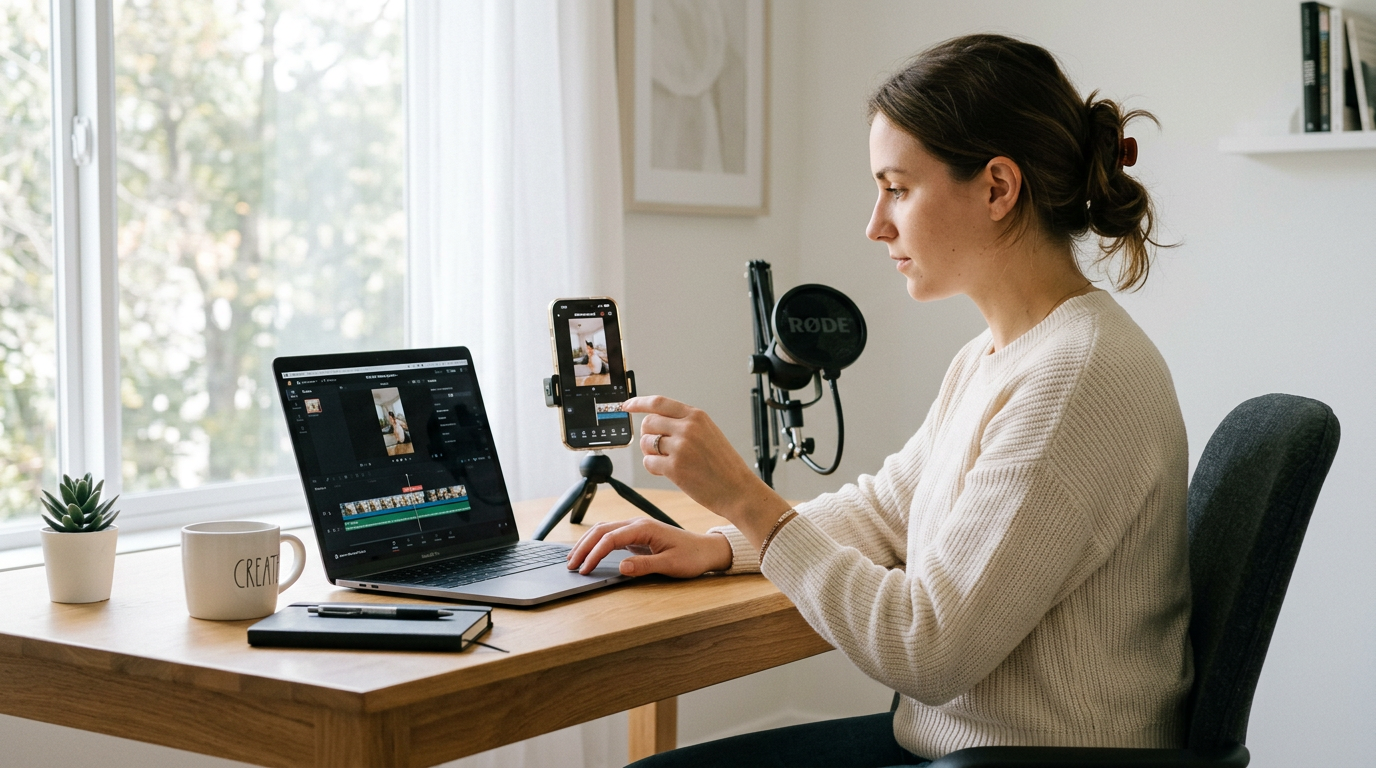
For individual creators, the core challenge isn't ideas — it's volume. YouTube's algorithm rewards channels that publish Shorts consistently, TikTok surfaces new creators who post frequently, and Instagram's recommendation engine favors accounts with regular Reels activity. The creators building the fastest-growing channels in 2025 are publishing 3–5 Shorts per week across platforms.
Doing that manually — script, record, edit, caption, export, post, repeat — takes 4–6 hours per video minimum. At 4 Shorts per week, that's a second full-time job.
Where an AI shorts generator changes the math:
A solo creator using Framia Pro can produce a publish-ready Short in 20–30 minutes: write a brief, generate the script, review and adjust, select scenes, export. The creative judgment stays with the creator; the production execution is handled by the AI.
For solo creators, that shows up in a few specific ways:
- Batch content generation: Spending 2 hours on a Sunday to generate a full week of Shorts in one session, then scheduling all of them
- Consistent channel voice: Using saved prompt templates that maintain a consistent tone, caption style, and visual identity across all content
- Topic exploration: Testing multiple angles on a topic by generating several script variations in minutes, not hours, then picking the strongest
Use Case 2 — The Brand Marketing Team
Brand marketing teams have a different problem from solo creators: they have resources but face approval bottlenecks, brand consistency requirements, and the need to produce content at scale across multiple campaigns simultaneously.
A brand team using traditional video production for short-form content faces long turnaround times — brief to finished video can take days or weeks when it involves agency coordination, filming, editing, and review rounds. Meanwhile, the short-form content window that might have made a campaign land gets missed entirely.
What actually changes:
Brand teams use Framia Pro's AI shorts generator to compress the brief-to-publish cycle from weeks to days — or hours for social-reactive content.
A few ways brand teams are putting this to work:
- Product launch content: Generate 10–15 Shorts announcing a product from different angles (feature spotlight, use case, comparison, testimonial framing) in a single session. Test multiple approaches in the first 48 hours and double down on what performs.
- Campaign support: Create Short-form versions of longer campaign videos without re-shooting. Input the campaign script or key messages and generate platform-optimized Shorts that carry the same brand language.
- Localization: Generate Short variations optimized for different regional audiences using adjusted prompts — same product, different cultural context and language register.
- Always-on social: Maintain a consistent publishing cadence on the brand's social channels between campaign peaks, using evergreen topic prompts to fill publishing gaps.
Brand teams also benefit from the controlled generation environment — brand voice instructions and visual style parameters can be baked into every prompt template, keeping output on-brand even when multiple team members are generating content.

Use Case 3 — The Digital Marketer
Digital marketers working on performance campaigns have a need that solo creators and brand teams don't share. They need a high volume of creative variants, fast, and they need to tie content performance directly to conversion metrics.
Short-form video keeps gaining ground in paid social advertising — TikTok Ads, Instagram Reels Ads, and YouTube video ads all see higher engagement from short-form vertical creative than from repurposed horizontal content. But producing 20 ad creative variants for a single campaign — each with a different hook, CTA, or visual treatment — gets expensive fast with traditional production.
Here's where it gets interesting:
For performance marketers, Framia Pro enables creative volume at scale: generate 10–20 hook variations for the same core ad concept, export each as a standalone Short, and run them as creative tests in your ad account. Kill the underperformers within 48 hours; scale the winners.
Where this shows up in practice for performance marketers:
- Ad creative testing: Generate multiple variants of the same ad with different hooks, pacing, and CTAs. Use actual performance data — CTR, view-through rate, cost per result — to select the creative direction before committing to higher-quality production.
- Retargeting content: Create Short-form content specifically for retargeting audiences: short, direct, and conversion-focused, with CTAs calibrated to an audience that already knows the brand.
- Funnel-stage content: Generate different Shorts for different funnel stages — awareness Shorts that are broadly appealing and entertaining, consideration Shorts that address objections or demonstrate value, conversion Shorts with direct offers and urgency.
- Organic-to-paid bridge: Identify which organic Shorts are performing best on the brand's social channels, then use those winning formats as the basis for paid creative — generated at scale for multiple audiences and placements.
For performance marketers specifically, the AI shorts generator tool gives you the production speed that makes creative testing economically viable at a level previously only available to large agencies.
Use Case 4 — The Agency or Freelance Video Producer
Agencies and freelance producers run into a version of this problem too, just multiplied — short-form content for multiple clients at once. The bottleneck here is context-switching: each client has a different brand voice, a different visual style, a different audience, and its own platform priorities.
An AI shorts generator with template and prompt-saving capabilities lets producers maintain separate client contexts — saved prompt templates, visual style parameters, and tone instructions for each client. There's no rebuilding context from scratch every session — the producer just loads the client template and generates directly inside that brand context.
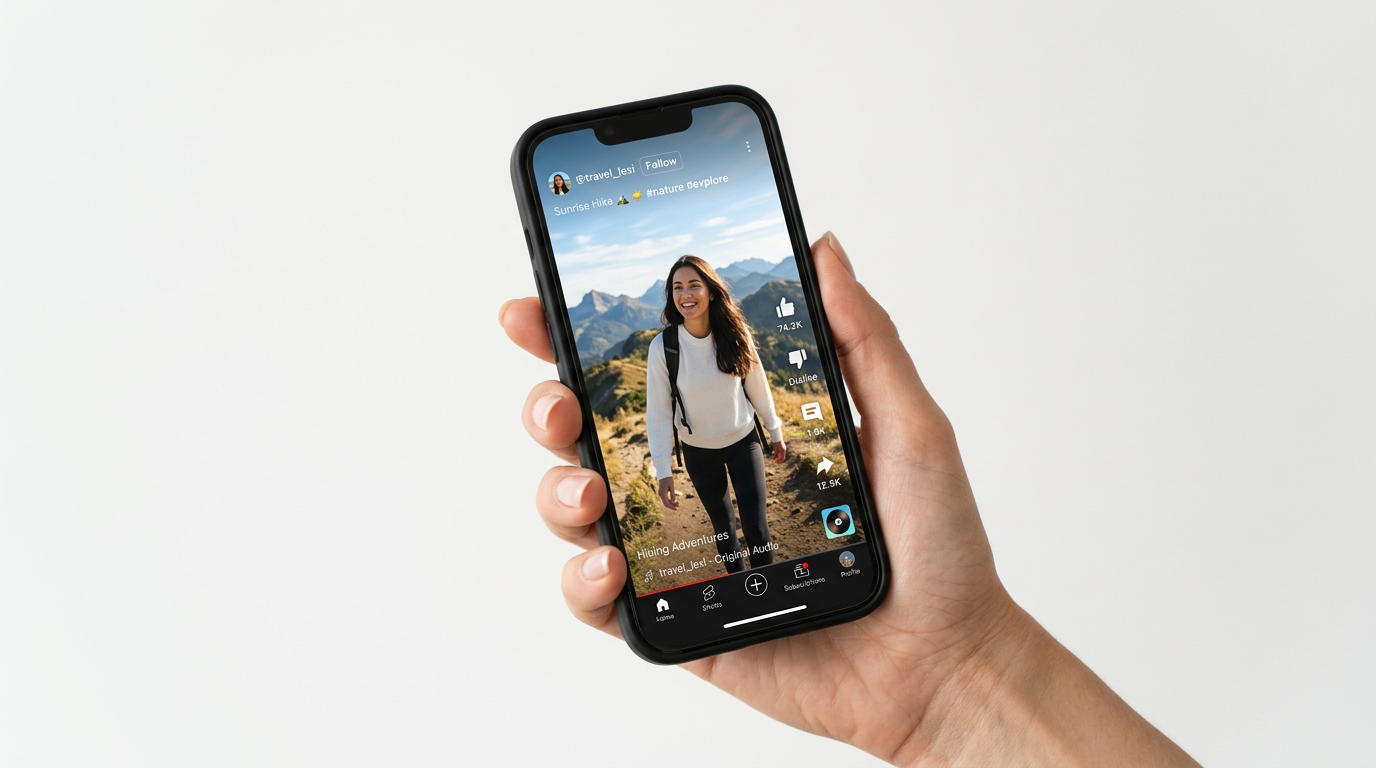
The YouTube Shorts maker is particularly useful for agencies managing YouTube-primary clients, where consistent publishing cadence and SEO-aware content structure matter as much as video quality.
Use Case 5 — The E-Commerce Seller
E-commerce sellers lean on short-form video for both organic social and paid ads, and the content needs tend to follow a pretty predictable pattern — product demos, unboxings, before-and-afters, testimonials, offer announcements.
These formats are ideal for AI generation because the structure is predictable: hook (attention) + demonstration (value) + CTA (conversion). With a well-structured prompt template, a seller can generate all five content types for a new product in a single session.
Cross-platform adaptation matters even more here, since the buying journey for e-commerce often crosses TikTok, Reels, and YouTube before someone actually converts.
What All Use Cases Share
Across all five use cases, the common thread is the same: an AI shorts generator removes production friction so that the people with creative judgment — whether that's a solo creator, a brand strategist, or a performance marketer — can spend their time on decisions, not execution.
The creative decisions are yours: the topic, the angle, the hook, the CTA, the visual tone. The AI handles the production work that turns those decisions into a finished, platform-ready video.
The prompt techniques that help you exercise that creative judgment more precisely — topic specificity, audience framing, tone and format constraints — are what separate generic AI output from content that actually reflects your voice and resonates with your audience.
How Framia Pro Serves Each Use Case
Framia Pro is built to be flexible enough to serve all of these use cases without forcing every user into the same rigid workflow.
For solo creators, it's the batch generation and scheduling tools that make consistent publishing sustainable without burning out.
Brand teams get prompt templates with locked parameters, so anyone on the team can generate on-brand content without needing sign-off on every single piece.
If you're a digital marketer, the real win is speed: generate 15 hook variants in an afternoon and let the data decide which one scales.
Agencies and producers lean on multi-client project management and saved context templates to cut the context-switching that usually kills productivity.
And for e-commerce sellers, predefined product demo and CTA formats mean you can put out polished short-form content without a production background.
The AI shorts generator is the same underlying tool in every case — the difference is how you configure your prompts, templates, and workflow to match your specific output requirements.
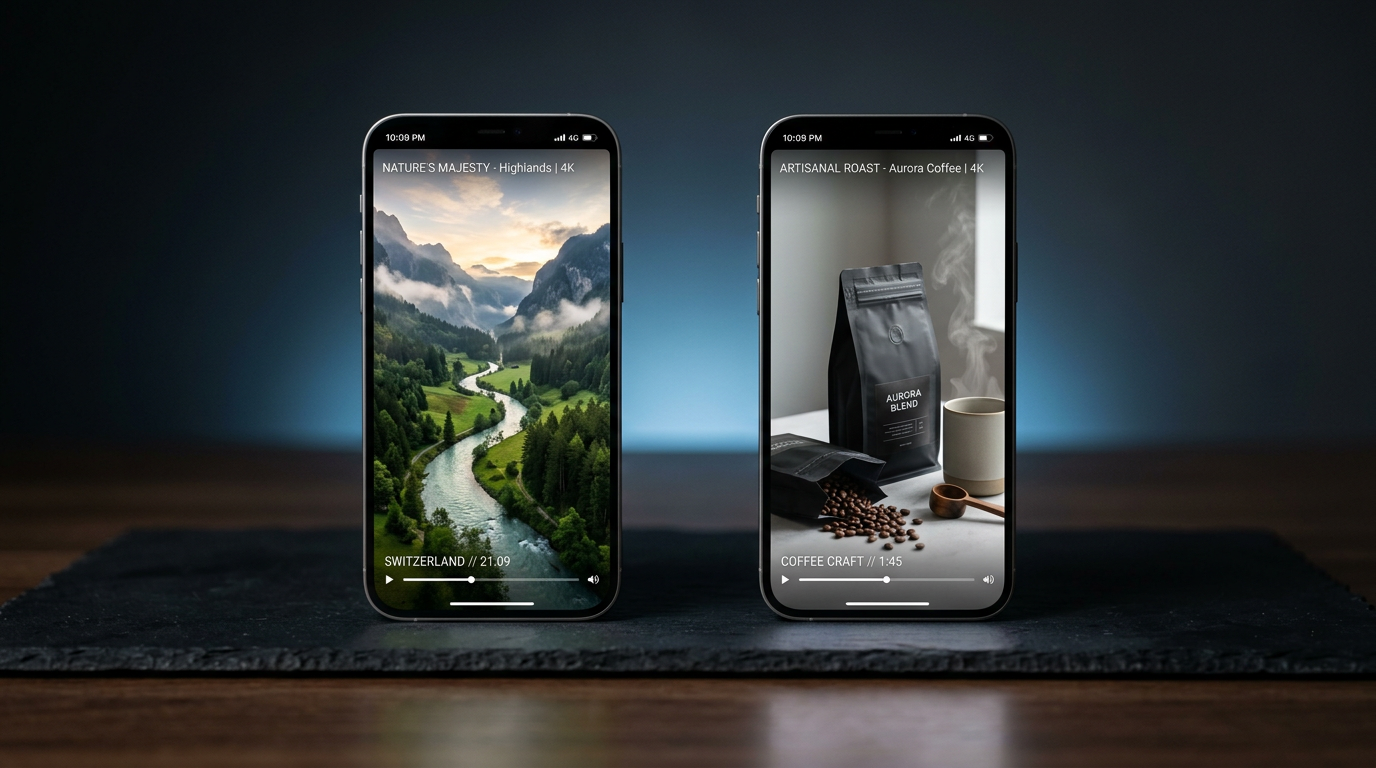
One more thing worth knowing: Framia Pro's generation quality runs on Seedance 2.5, a video model built specifically for vertical social content — native 9:16 understanding, and motion quality that actually holds up on TikTok, Reels, and YouTube Shorts.
Which Use Case Are You?
Knowing which of these fits you best makes it a lot easier to figure out what to try first.
If you're a solo creator, start with the batch workflow and prompt templates. Brand teams should focus on brand voice parameters and approval-stage review first. And if performance marketing is your world, hook variation testing and ad-format-specific prompts are where the real gains show up.
No matter which use case fits you, the path to consistent, high-quality Shorts is basically the same: build a prompt framework that fits your context, generate at the pace the platform rewards, and use real performance data to sharpen your approach as you go.
Start building your Shorts workflow at framia.pro.
FAQ
Who actually benefits from an AI shorts generator?
Anyone who needs a steady stream of short-form video without a full production team — solo creators publishing several times a week, brand marketing teams juggling multiple campaigns, performance marketers testing ad creative, agencies serving several clients, and e-commerce sellers who need product demos and testimonials on a loop.
Is an AI shorts generator only useful for individual creators?
No — that's actually one of the smaller use cases in practice. Brand teams use it to compress brief-to-publish timelines from weeks to days, and performance marketers use it to generate a dozen ad hook variants in an afternoon instead of commissioning a dozen separate shoots.
How does an AI shorts generator help with brand video marketing?
It removes the production bottleneck that usually slows brand campaigns down. A brand team can skip the days-or-weeks cycle of coordinating agencies, filming, and review rounds, and generate product launch content, campaign variations, and localized versions from the same core brief — then keep brand voice and visual parameters consistent across everyone generating content.
Can agencies use one AI shorts generator across multiple clients?
Yes, as long as the tool supports saved prompt templates per client. That's what actually makes multi-client work manageable — a producer loads a client's saved brand voice and visual style instead of reconstructing that context from memory every session.
What makes short-form video useful for e-commerce sellers specifically?
The format matches how people actually shop now. Product demos, unboxings, and testimonials all follow a predictable hook-demonstration-CTA structure, which happens to be exactly the kind of structured content an AI shorts generator handles well. Buyers often cross TikTok, Reels, and YouTube before they convert, so having content ready across all three matters more here than in most other use cases.